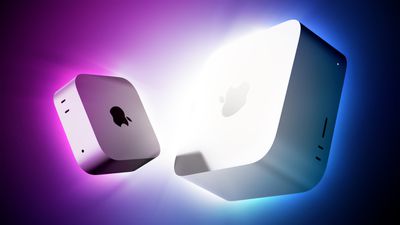
Apple launches its new Mac mini and Mac Studio models today in 30 countries and regions, including the U.S, and same-day pickup is now available at many Apple Store locations.
To order a product with Apple Store pickup, add the product to your bag on Apple.com, proceed to checkout, select the "I'll pick it up" option, enter your ZIP code, choose an available Apple Store location, and select a pickup date. Payment is completed online, and a valid government-issued photo ID and the order number may be required upon pickup.
Same-day Apple Store pickup is not available for custom Mac configurations with upgraded specifications ordered through Apple's online store.
Mac mini with M6 starts at $899 ($799 for eligible education customers), while Mac mini with M5 Pro starts at $1,699 ($1,599 for eduction). Mac Studio with M5 Max starts at $2,499 ($2,299 for eduction), and Mac Studio with M5 Ultra starts at $5,499 ($5,099 for education).
With Apple Upgrade, eligible customers in the U.S. can also opt to lease a new Mac with monthly payments and upgrade at the end of their lease. More information can be found on the Apple website.
New references in the latest iOS 27.2 beta show that Apple continues to develop a new feature which will lock your iPhone if it's snatched from your hand by a thief.
As previously reported, the feature will use the gyroscope, accelerometer, and other sensors to determine when an iPhone has been grabbed. It'll also rely on a paired Apple Watch to detect when the iPhone has suddenly moved away from the owner's wrist.
According to new code seen by 9to5Mac, the feature is called "AutoLock" internally, and it can use several different methods to determine whether an iPhone has been snatched from its owner:
A sharp acceleration consistent with the phone being snatched.
A paired Apple Watch remaining unreachable for a certain period.
Loss of connectivity to a paired Apple Watch.
Prolonged loss of network connectivity.
The device remaining unlocked beyond a certain interval.
There are also references to safeguards to prevent false positives, like as successful biometric authentication, or foreground app activities that could be mistakenly taken as a sign that the iPhone has been snatched.
Additional code also suggests the feature works using a voting system where a potential theft signal can request a lock, while safeguards such as biometrics and familiar locations can veto it.
When the iPhone is yanked from the owner's hand, assuming a successful theft signal, the device will lock and activate Stolen Device Protection to prevent thieves from accessing information on it.
Stolen Device Protection adds extra security to your iPhone when you're away from familiar locations like home or work. It requires biometric authentication for actions like accessing stored passwords or credit cards, and there are built-in hour-long delays for actions like changing an Apple Account password.
Android already has a Theft Detection Lock feature that locks a smartphone in a snatch-and-grab theft situation. It's not clear when Apple's equivalent feature will launch, if at all, but the additional code indicates that Apple is at least still developing it under wraps.
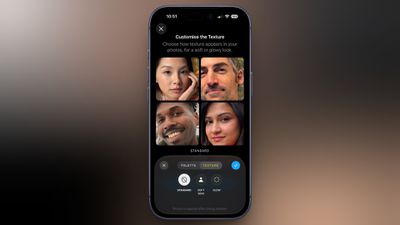
Apple's new Texture and Grain controls for Photographic Styles are not available on iPhones other than the latest iPhone 18 Pro models and upcoming iPhone Duo, despite the company's original wording suggesting otherwise.
When Apple announced the iPhone 18 Pro and iPhone 18 Pro Max earlier this month, its Newsroom press release said the new Texture and Grain controls would be "available in iOS 27 on iPhone models that support the latest generation of Photographic Styles."
That original wording is preserved in copies of Apple's launch-day press release distributed through Business Wire and Notice Nearby. Elsewhere, in Apple's User Guide for iOS 27, devices that support the "latest generation Photographic Styles" are listed as the iPhone 16 series, iPhone 17 series, iPhone Air, and iPhone 18 Pro models.
Apple has since changed the footnote on its iPhone 18 Pro Newsroom announcement. It now says Texture and Grain controls are available "only for photos captured on iPhone 18 Pro models and with the Ultra Wide, Main, and Center Stage cameras on the iPhone Duo."
Apple also states definitively in its iOS 27 User Guide that changing the texture of a photo can be achieved "on iPhone 18 Pro models."
wtf? Apple now says that the texture and grain will NOT be coming to older iPhones
there's no reason why this shouldn't be coming to older iPhones
this is what i despise about Apple. new software camera features almost never make it to older iPhones, even though those are... https://t.co/8FM6MQV01Fpic.twitter.com/yiO1nDiuFF
— Noah Cat (@Cartidise) September 22, 2026
Whether Apple initially intended to bring the controls to older devices and subsequently changed its plans is unclear, and Apple has not commented on the revision. Either way, the original compatibility information looks like it was published in error.
Photographic Styles are tone presets that adjust the color and warmth of a photo, while preserving skin tones. If you have an iPhone 18 Pro, check out our how-to guide to make the most out of the feature.
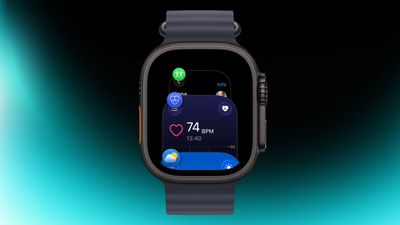
Apple has apparently listened to user feedback and brought back the App Switcher screen in the latest watchOS 27.2 beta, but accessing it is a little different than before.
In watchOS 26 and earlier versions, a double press of the Digital Crown would bring up the App Switcher, where you could easily switch to the last-used app and view and open other recently used apps. You could also swipe left on a misbehaving app to force close it.
In watchOS 27, the Digital Crown double-press gesture is now reserved for Apple's upcoming new Live Rewind AI feature, so it no longer brings up the App Switcher screen. There were concerns that this meant the App Switcher would be gone for good, but Apple has reinstated it in the second watchOS 27.2 beta, released yesterday.
The gesture for opening it has changed, though.
As shown in the video below, you now access the App Switcher by pressing and holding the bottom of the screen while you're in an app.
Apple has brought back the App Switcher!
On watchOS 26 and earlier, you could access the App Switcher by double-clicking the Digital Crown, then turning the Digital Crown to navigate through your recently used apps. You could also swipe left on an app and tap the "X" button to... pic.twitter.com/G5fa0TeTR9
— (@limpless_skelly) September 22, 2026
Apple says Live Rewind, which which offers a transcript of what was said in the last 15 seconds, will be available later this year on Apple Watch Series 12 and Apple Watch Ultra 4.
Apple has announced the opening of Apple Music Hall, a state-of-the-art 600-capacity music venue located in London's Battersea Power Station. Apple says it is "designed to connect artists and fans through bespoke, intimate performances unlike anywhere else."
"Apple's deep love for music dates all the way back to the very beginning, from the launch of the iPod to the long-running iTunes Music Festival to the debut of Apple Music," said Oliver Schusser, Apple's vice president of Apple Music and International Content. "Today, with the opening of Apple Music Hall, we are once again taking an unprecedented step further in our commitment to artists and fans by supporting live music in ways only Apple can do."
Apple says the hall incorporates heritage brickwork, fluted arches, and bronze balconies reminiscent of the historic oriel windows, while a giant glass wall "further enhances the visual connection with the historic building, offering a panoramic view of the concourse and the river beyond."
The 38-foot-wide stage can be reconfigured for traditional front-facing sets or more in-the-round experiences, and a 48-speaker spatial sound system is positioned all around the audience. Behind the stage is a dedicated recording and mix studio so that every performance can be captured as a multi-track recording and mixed in Spatial Audio, live or in post-production.
The venue is also hardwired for 16 or more cameras that feed a purpose-built broadcast control room with infrastructure that supports iPhone video capture running in parallel alongside traditional broadcast cameras.
The exhaustive setup means artists can perform a live show, record it in Spatial Audio, create a broadcast-ready mix, and capture multicamera video – all directly in the venue.
Apple says performances out of Apple Music Hall will also be livestreamed globally so fans outside of London can tune in to enjoy shows from their favorite artists. For more information about Apple Music Hall, including tickets for upcoming shows, fans can visit applemusichall.com or follow @applemusichall on Instagram and TikTok.
Apple CEO John Ternus did an interview with Canal+ talk show Clique following Apple's September event. He discussed the iPhone Duo's design, difficulties Apple ran into when developing it, his plans for Apple, and more.
On the design of the iPhone Duo, Ternus explained why Apple went with an iPad-like shape when the device is unfolded.
I think it's something new and unique, right? But I think we didn't want to just do what we'd seen other people do, which is sort of take two phone shapes and stick them together and then you get this weird square thing. We came at it from we want to build a large screen experience that feels right to us. And obviously we've been doing that for a long time with iPad. And so we knew kind of the shape, you know, we came up with this new aspect ratio.
Ternus said that when developing the iPhone Duo, there were "so many problems" to solve, but a foldable was an opportunity for Apple employees to "be really clever" and "come up with entirely new things." He said some of the hardware engineering problems Apple had to address involved the design of the hinge and the display, and making them reliable.
When asked to share his favorite iPhone Duo trick, Ternus showed off the device's opening animation. "I mean, this is really fun, you know, the animation that you get as you open it across from one side to the other. It's just sort of whimsical and fun. And it brings a smile to your face."
Ternus reiterated Apple's stance on AI companions, saying that Siri AI is "not designed to be your friend," which is something we heard earlier this year from Craig Federighi. Ternus said Apple doesn't want to replace human relationships. "They're how we learn, they're how we grow, they're how we find joy and happiness," he said.
Then-CEO Tim Cook and Apple's board asked Ternus if he wanted to be the next Apple CEO. Ternus didn't say when he was approached, but he said the question came as a surprise. "When Tim asked me if it was something I would consider, I would say the good news is I was sitting down, because I never in a million years would have imagined that happening," said Ternus.
As Apple's CEO, Ternus said he doesn't have plans for a radical change. He was asked if Apple was going back to its roots under his leadership, with more of a focus on engineering products.
I don't think anything's really changed. Sure, I'm new in this job, but the focus on innovation, the focus on products, the focus most importantly on our customers, that has never changed. That's been here from the beginning.
I am super passionate about products. I love building things. That's why I've been here so long. That's why I love what I do. And so I'm excited to continue doing that. But I don't think of it as some radical change.
Ternus said it was "amazing" to be able to say "one more thing" on stage at Apple's September event. "I've seen Steve say it, and I've seen Tim say it," he said. "And so having the opportunity for me to say it was pretty magical. Kind of goosebumps."
The full interview includes Ternus' thoughts on Tim Cook, the AI race, Apple's environmental goals, the Vision Pro, the new parental controls added in iOS 27, and more.
Apple is no longer signing iOS 26.6.2, so if you've upgraded to iOS 27, there is no option to downgrade to a version of iOS 26. iOS 27 came out a week ago.
Software that is "signed" can pass a server-side verification check that Apple performs when a new version of iOS is downloaded. If an update fails the verification check, it can't be installed.
By unsigning software, Apple prevents customers from installing outdated, less secure versions of iOS.
If you haven't installed iOS 27 yet, you can still keep using iOS 26, but once you've upgraded, there's no going back. You also can't downgrade from iOS 27 to iOS 26.7 (which was released alongside iOS 27) because iOS 26.7 is an over-the-air update with no restore file available.
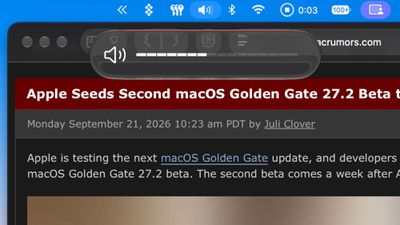
With the second beta of macOS Golden Gate 27.2, Apple updated the look of the volume and brightness sliders when you adjust them with the keyboard.
The new sliders have a segmented bar instead of a plain line, making it clearer how much each key press adjusts volume or brightness. Apple used a similar design in macOS Sequoia before Liquid Glass, and the new look is a cross between the old slider and the Liquid Glass slider.
There are no longer two icons at the beginning and end of the slider, and Apple now uses a single larger icon on the left. The sliders appear where a matching menu bar icon is located, so if you have a dedicated sound icon, the slider shows up below it.
Recent reports claiming that General Motors is reversing course on its controversial plans to ditch CarPlay in its future EVs appear to be incorrect.
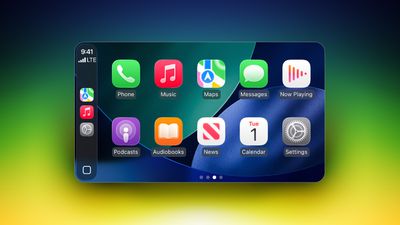
As noted by Joanna Stern, host of the YouTube channel New Things, a GM spokesperson has confirmed that its new software interface that shows CarPlay or Android Auto alongside its own native system in 2027 models of its Chevrolet Silverado and GMC Sierra is specific to the gas-powered versions of those pickup trucks.
GM previously stated that CarPlay and Android Auto would continue to be offered in its new gas-powered vehicles for the "foreseeable future," so the 2027 models of those trucks still supporting those platforms is not a change of course.
There is one more wrinkle in that GM's all-electric 2027 Cadillac LYRIQ supports CarPlay and Android Auto still — it is unclear if the Lyriq will always be an exception or if it will simply be one of GM's final EVs to ever support phone mirroring systems. Overall, though, GM continues to insist that its future EVs will not offer CarPlay.
All in all, GM really wants you to know that it is committed to ditching the extremely popular feature that you probably want in your next EV.
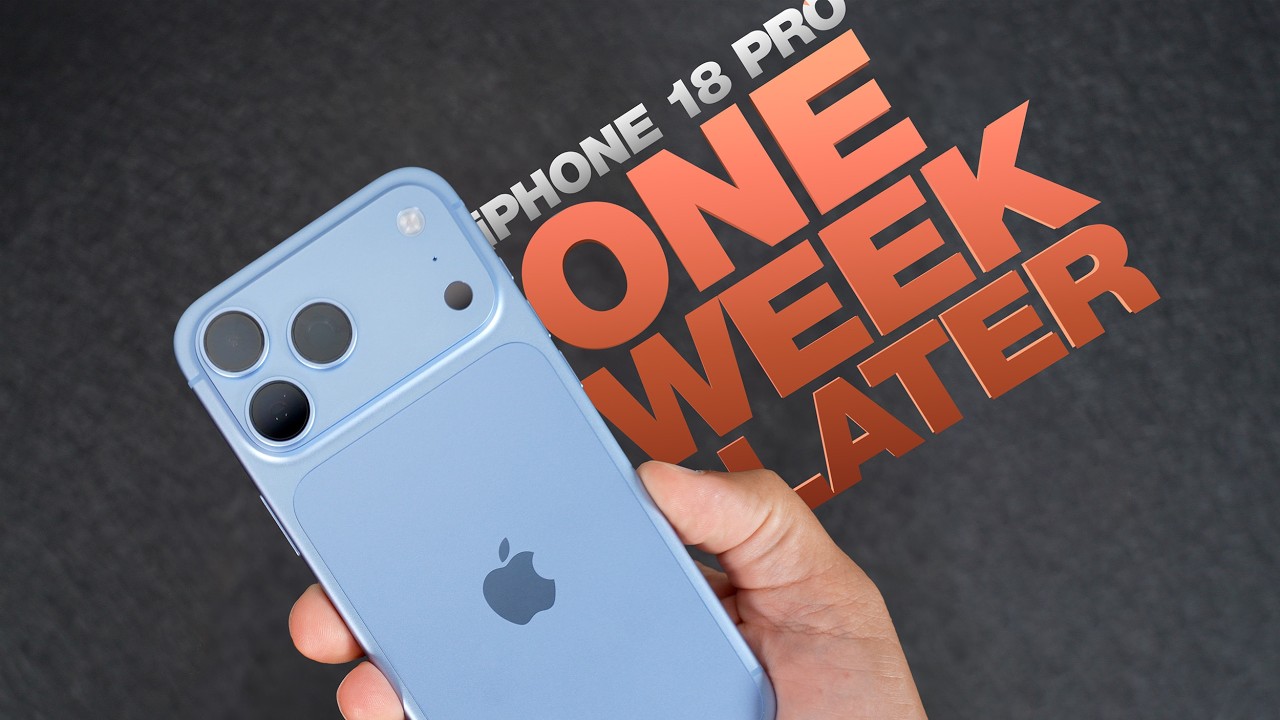
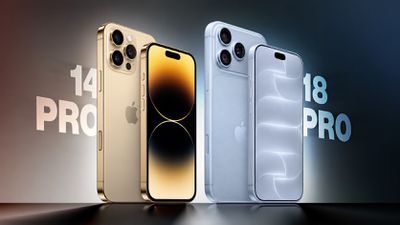
Apple announced the iPhone 18 Pro and iPhone 18 Pro Max earlier this month, arriving four years after the iPhone 14 Pro and iPhone 14 Pro Max.
Four generations of changes make for a substantial upgrade, bringing larger displays, an all-new design, improvements to every camera, significantly longer battery life, faster charging, USB-C connectivity, and support for Apple Intelligence.
The iPhone 15 Pro replaced the stainless steel frame with titanium, introduced the Action button and USB-C port, and added the A17 Pro chip. The iPhone 16 Pro introduced larger displays with thinner borders, the Camera Control, a 48-megapixel Ultra Wide camera, and improved video and audio recording. The iPhone 17 Pro replaced the titanium frame and glass back with an aluminum unibody, added vapor chamber cooling and Ceramic Shield 2, and upgraded both the telephoto and front-facing cameras. This year's refresh centers on the A20 Pro chip, a variable-aperture Main camera, a smaller Dynamic Island, and a further increase in battery capacity. For iPhone 14 Pro owners, all four sets of changes accumulate.
The iPhone 18 Pro starts at $1,199 for 256GB, $200 more than the iPhone 14 Pro's $999 launch price, although the entry storage tier has doubled from 128GB. The iPhone 18 Pro Max starts at $1,299, also $200 more than the iPhone 14 Pro Max's $1,099 launch price, with the same increase in base storage. Here are the key differences between the iPhone 14 Pro and iPhone 18 Pro:
Design and Display
iPhone 14 Pro (2022)
iPhone 18 Pro (2026)
Stainless steel frame with squared-off edges and full glass back
Aluminum unibody with partial Ceramic Shield back, improving heat dissipation
Glass rounded square camera bump
Full-width rounded rectangle aluminum camera plateau
iPhone 18 Pro: Apple C2 modem in all countries iPhone 18 Pro Max: Apple C2 modem in all countries except the U.S., where it uses a Qualcomm modem
Broadcom Wi-Fi and Bluetooth chip
Apple N1 chip for Wi-Fi, Bluetooth, and Thread
Wi-Fi 6 (802.11ax)
Wi-Fi 7 (802.11be)
Bluetooth 5.3 connectivity
Bluetooth 6 connectivity
First-generation Ultra Wideband chip
Second-generation Ultra Wideband chip with Precision Finding for people
Lightning port with USB 2 transfer speeds up to 480Mb/s
USB-C port with USB 3 transfer speeds up to 10Gb/s
Up to 1080p video output using a Lightning adapter
DisplayPort support for up to 4K HDR video output
Rear Camera
iPhone 14 Pro (2022)
iPhone 18 Pro (2026)
First-generation quad-pixel sensor
Newer sensor and computational imaging pipeline, building on the faster readout speeds and zero shutter lag introduced with the iPhone 16 Pro
12-megapixel HEIF and JPEG photos, or up to 48-megapixel ProRAW photos from the Main camera
24- and 48-megapixel super-high-resolution photos from the Main, Ultra Wide, and Telephoto cameras
Fixed ƒ/1.78 aperture on the Main camera
Variable aperture with four stops: ƒ/1.48, ƒ/1.8, ƒ/2.8, and ƒ/4.0, using six laser-cut blades
API available for developers to control the aperture range within their own apps
Night mode
Faster Night mode, tied to the new variable-aperture lens
Around 50% better Main camera low-light performance than the iPhone 16 Pro, with more detail in the back of group photos
Pro controls in the Camera app: manual lens aperture, shutter speed, white balance, and histogram
12-megapixel Ultra Wide camera
48-megapixel Fusion Ultra Wide camera
12-megapixel Telephoto camera
48-megapixel Fusion Telephoto camera
3x Telephoto camera, with 77mm focal length
4x Telephoto camera, with 100mm focal length, also enabling 12-megapixel optical-quality 8x shots at 200mm
0.5x, 1x, 2x, and 3x zoom options, with optical-quality 2x derived from the Main camera
0.5x, 1x, 2x, 4x, and 8x zoom options, with optical-quality 2x and 8x derived from the Main and Telephoto cameras
Digital zoom up to 15x
Digital zoom up to 40x
24mm default Main camera lens
Customizable default lens for the Fusion Main camera
Macro photography
48-megapixel macro photography
JPEG-XL compression for ProRAW photos
Smart HDR 4
Smart HDR 5
Portrait mode with Depth Control
Next-generation portraits with Focus and Depth Control
First-generation Photographic Styles
Photographic Styles 3, with tone, color, texture, and grain controls
Depth mapping for AR and portrait photography
Enhanced depth mapping for AR and portrait photography, with more accurate background and subject separation and more realistic bokeh
Smart focus tracking
Spatial photo capture
Apple Reference Image (Main camera only)
Camera Control
The iPhone 14 Pro has a traditional Ring/Silent switch and lacks both of the dedicated controls Apple added to later generations. The iPhone 18 Pro includes an Action button that can launch the camera or Visual Intelligence, as well as a Camera Control with the following additional functions:
Press Camera Control to launch the Camera app
Press to capture a photo or press and hold to record video
Light press to lock focus and exposure before reframing
Slide across the capacitive surface to adjust settings such as zoom, exposure, styles, and tone
Light-press controls overlay for quick access to camera settings
Integration with supported third-party camera apps
Press and hold to activate Visual Intelligence
Video Recording
iPhone 14 Pro (2022)
iPhone 18 Pro (2026)
4K video recording at 24 fps, 25 fps, 30 fps, or 60 fps, with Dolby Vision HDR up to 60 fps
4K Dolby Vision video recording at 24 fps, 25 fps, 30 fps, 60 fps, 100 fps (Fusion Main), or 120 fps (Fusion Main)
1080p HD video recording at 25 fps, 30 fps, or 60 fps
1080p Dolby Vision video recording at 25 fps, 30 fps, 60 fps, or 120 fps (Fusion Main)
ProRes video recording up to 4K at 30 fps, or 1080p at 30 fps on the 128GB model
ProRes video recording up to 4K at 120 fps with external recording
Records video to internal storage
Can record video directly to external storage over USB-C
Slo-mo video support for 1080p at 120 fps or 240 fps
Slo-mo video support for 1080p up to 240 fps and 4K Dolby Vision up to 120 fps (Fusion Main)
Cinematic mode recording up to 4K HDR at 30 fps
Cinematic mode recording up to 4K Dolby Vision at 60 fps
Cinematic mode effects can be applied after capture to Fusion Main video shot at up to 60 fps
Pro controls for lens aperture, shutter speed, white balance, and histogram
Smart focus tracking
Improved low-light video at 1080p
Action mode up to 2.8K at 60 fps
Action mode up to 2.8K Dolby Vision at 60 fps
Spatial video recording at 1080p at 30 fps
Time-lapse video recording with stabilization
Time-lapse video recording with stabilization, up to 4K Dolby Vision
QuickTake video
QuickTake video up to 4K Dolby Vision at 60 fps
Apple Log 2
Academy Color Encoding System support
ProRes RAW capture support
Genlock support
Dual Capture up to 4K Dolby Vision at 30 fps
Front Camera
iPhone 14 Pro (2022)
iPhone 18 Pro (2026)
12-megapixel TrueDepth camera with conventional rectangular sensor
18-megapixel Center Stage camera with square sensor and TrueDepth technology
Tap to zoom and rotate, allowing portrait and landscape framing without rotating the iPhone
Center Stage for photos and video calls
Ultra-stabilized video
Dual Capture, recording the front and rear cameras simultaneously at up to 4K Dolby Vision at 30 fps
Smart HDR 4
Smart HDR 5
Portrait mode with Depth Control
Next-generation portraits with Focus and Depth Control
First-generation Photographic Styles
Photographic Styles 3, with tone, color, texture, and grain controls
Smart focus tracking
Pro controls for shutter speed, white balance, and histogram
4K video recording at 24 fps, 25 fps, 30 fps, or 60 fps, with Dolby Vision HDR up to 60 fps
4K Dolby Vision video recording at 24 fps, 25 fps, 30 fps, or 60 fps
1080p HD video recording at 25 fps, 30 fps, or 60 fps
1080p Dolby Vision video recording at 25 fps, 30 fps, or 60 fps
ProRes video recording up to 4K at 30 fps, or 1080p at 30 fps on the 128GB model
ProRes video recording up to 4K at 60 fps with external recording
Cinematic mode up to 4K HDR at 30 fps
Cinematic mode up to 4K Dolby Vision at 30 fps
Cinematic mode effects can be applied after capture
Improved low-light video at 1080p
Time-lapse video recording with stabilization
Time-lapse video recording with stabilization, up to 4K Dolby Vision
QuickTake video
QuickTake video up to 4K at 60 fps in Dolby Vision
Apple Log 2
Academy Color Encoding System support
ProRes RAW capture support
Audio Recording
iPhone 14 Pro (2022)
iPhone 18 Pro (2026)
Stereo recording
Spatial Audio and stereo recording
Studio-quality four-mic array
Wind noise reduction
Audio Mix with algorithms for higher-quality voices and the ability to isolate music
Battery and Charging
iPhone 14 Pro (2022)
iPhone 18 Pro (2026)
iPhone 14 Pro: 3,200 mAh battery iPhone 14 Pro Max: 4,323 mAh battery
iPhone 18 Pro: 4,056 mAh battery (SIM-tray models); 4,288 mAh battery (eSIM-only models) iPhone 18 Pro Max: 5,391 mAh battery (SIM-tray models); 5,567 mAh battery (eSIM-only models)
iPhone 14 Pro: Up to 23 hours of video playback iPhone 14 Pro Max: Up to 29 hours of video playback
iPhone 18 Pro: Up to 36 hours of video playback iPhone 18 Pro Max: Up to 45 hours of video playback
iPhone 14 Pro: Up to 20 hours of streamed video playback iPhone 14 Pro Max: Up to 25 hours of streamed video playback
iPhone 18 Pro: Up to 33 hours of streamed video playback iPhone 18 Pro Max: Up to 40 hours of streamed video playback
Up to 50% charge in around 30 minutes with a 20W adapter or higher
Up to 50% charge in around 15 minutes with a 60W-capable adapter or higher
MagSafe wireless charging up to 15W with a 20W adapter or higher
MagSafe wireless charging up to 25W, reaching 50% charge in 30 minutes with a 35W adapter or higher
Qi wireless charging up to 7.5W
Qi2 wireless charging up to 25W
Optimized Battery Charging
Charge Limit from 80% to 100% in 5% increments, plus Optimized Battery Charging
Battery Health shows maximum capacity, peak performance capability, and whether service is recommended
Battery Health also shows cycle count, manufacture date, and date of first use
Battery designed to retain 80% of its original capacity at 500 complete charge cycles
Battery designed to retain 80% of its original capacity at 1,000 complete charge cycles
Storage and Pricing
iPhone 14 Pro (2022)
iPhone 18 Pro (2026)
Available with 128GB, 256GB, 512GB, or 1TB storage
Available with 256GB, 512GB, 1TB, or 2TB storage
iPhone 14 Pro: Launched at $999 (128GB), $1,099 (256GB), $1,299 (512GB), $1,499 (1TB) iPhone 14 Pro Max: Launched at $1,099 (128GB), $1,199 (256GB), $1,399 (512GB), $1,599 (1TB)
Current purchase prices depend on third-party stock, condition, and warranty
iPhone 18 Pro: From $49.95 a month for 24 months via Apple Upgrade iPhone 18 Pro Max: From $54.12 a month for 24 months via Apple Upgrade
For iPhone 14 Pro and iPhone 14 Pro Max owners considering a new device, the iPhone 18 Pro is a worthwhile upgrade. Four generations of changes bring improvements to the display, every camera on the device, battery life, charging, sustained performance, and connectivity. Battery life is likely to be the strongest improvement for most users, particularly if their current device no longer comfortably lasts through the day, while faster wired charging makes brief charging stops more useful. The newer battery is also designed to retain 80% of its original capacity for twice as many complete charge cycles under ideal conditions, and Charge Limit offers more control over long-term battery wear.
USB-C is another significant quality-of-life improvement for iPhone 14 Pro owners. It allows the iPhone to share cables with recent Macs, iPads, and accessories, while the jump from USB 2 to USB 3 speeds makes large wired photo and video transfers far quicker. The Action button and Camera Control also provide two new physical controls that the iPhone 14 Pro lacks.
The camera upgrade is especially compelling for anyone who regularly takes photos or records video. Higher-resolution Ultra Wide and Telephoto cameras expand the options beyond the Main camera, while the variable aperture and Pro controls provide additional creative flexibility. Both iPhone 14 Pro sizes move from a 3x Telephoto camera to 4x, alongside an optical-quality 8x option that substantially extends their usable reach.
For video creators, the accumulated changes are more consequential still. Higher-frame-rate 4K recording, external recording over USB-C, ProRes RAW, Genlock, Apple Log 2, Dual Capture, and improved audio tools expand the range of work that can be completed on the device. Spatial photo and video capture is also useful for Apple Vision Pro owners. The square front-camera sensor makes landscape framing easier without rotating the phone, while Center Stage improves flexibility for group photos and video calls.
The A20 Pro and vapor chamber cooling make the strongest performance case for users who play demanding games, record long video clips, or regularly push their device through sustained workloads. The increase from 6GB to 12GB of RAM and the additional AI processing hardware also enable Apple Intelligence, Siri AI, and Visual Intelligence, none of which are available on the iPhone 14 Pro. The older model still supports iOS 27 and remains capable for messaging, browsing, photography, and other everyday activities, so the latest software update does not make it obsolete.
There are physical trade-offs to consider. Both newer models are taller and thicker, although the move from stainless steel to aluminum means the weight increases by only 5 grams on the Pro and 9 grams on the Pro Max despite the larger displays and batteries. The aluminum enclosure improves thermal management, but it is less premium-looking, and it may show dents and scratches more readily than the iPhone 14 Pro's stainless steel frame.
If your iPhone 14 Pro still meets your needs and comfortably lasts through the day, upgrading is not urgent, but you may want to think about getting a new device soon. A battery replacement may be worth considering if reduced health is your main complaint and you would otherwise be happy to keep your device. The upgrade becomes much easier to recommend when battery limitations coincide with a desire for Apple Intelligence, USB-C, the newer cameras, and a larger display.
A discounted iPhone 17 Pro is another option if your priorities are the aluminum design, higher-resolution telephoto camera, square front-camera sensor, Apple Intelligence, USB-C, and vapor chamber cooling. Those upgrades arrived before this year's model. Paying more for the iPhone 18 Pro makes the clearest sense when you also want the variable aperture, Pro controls, A20 Pro, smaller Dynamic Island, and further improvements to battery life and charging, but coming from an iPhone 14 Pro, the iPhone 17 Pro will still feel like a significant upgrade.
Apple is testing the next macOS Golden Gate update, and developers can download the second macOS Golden Gate 27.2 beta. The second beta comes a week after Apple released the first beta.
Registered developers can download macOS Golden Gate 27.2 by opening up the System Settings app, clicking on General, selecting Software Update, and opting into macOS Golden Gate betas.
macOS Golden Gate 27.2 introduces Siri AI in new languages. We're expecting a launch toward the end of October.
Apple today seeded the second beta of an upcoming iOS 27.2 update to developers for testing purposes, with the update coming a week after Apple released the first iOS 27.2 beta. Apple also seeded an iPadOS 27.2 beta.
Registered developers can download the beta updates by opting in under Settings > General > Software Update and selecting the iOS 27 developer beta.
iOS 27.2 includes Apple's redesigned Health app with new Insight and Longevity tabs. It also brings Siri AI in new languages. There are several other new features, with details available in our features guide.
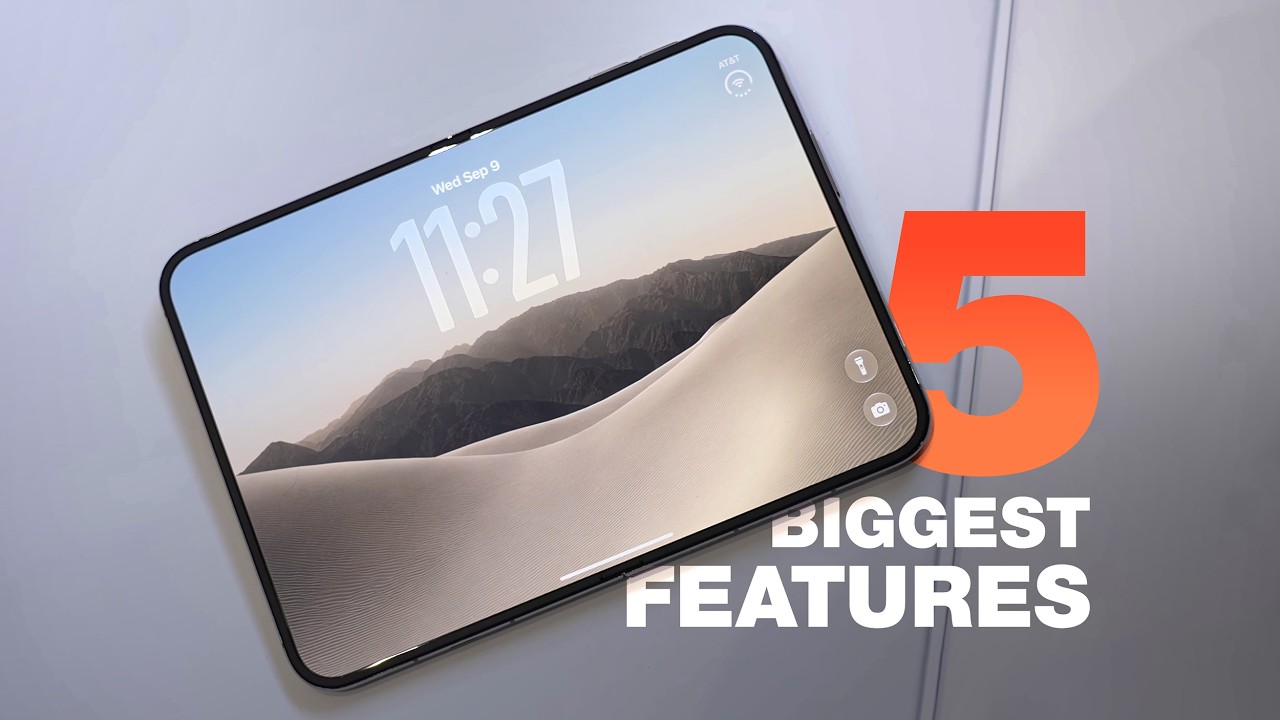
Apple releasing an iOS 27.2 beta ahead of a iOS 27.1 beta was surprise, especially because the company plans to ship the iPhone Duo with iOS 27.1. Apple is likely holding iOS 27.1 until the Duo comes out, just to keep the features under wraps. iOS 27.1 will add updated app layouts and features built for the iPhone Duo's two displays. The iPhone Duo will have a vertical dock, vertical Dynamic Island, new dual-screen app layouts, side-by-side app multitasking, and exclusive Camera app capabilities.
Since the iPhone Duo will launch on Friday, October 23 and will ship with iOS 27.1, Apple will need to release the iOS 27.1 update before then. Since iOS 27.2 includes new Siri AI languages, it too will launch sometime during the month of October.
Alongside new betas of iOS 27.2, iPadOS 27.2, and macOS Golden Gate 27.2, Apple has released the second betas of watchOS 27.2, tvOS 27.2, and visionOS 27.2. The betas come week after Apple released the first betas.
Registered developers can download the betas through the Settings app on each device.
With iOS 27.2 and watchOS 27.2, Apple is testing the new Health app that it showed off during its September iPhone event. The updated Health app has new Insights and Longevity tabs with a readiness score that uses information from the new Apple Watch Series 12 and Ultra 4 models.
There's no word on what's being added in visionOS 27.2 and tvOS 27.2, but Apple is expected to introduce a new version of the Apple TV 4K with Siri AI support sometime before the end of the year.
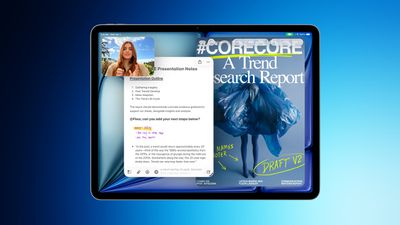
Amazon this week has multiple discounts on the M4 iPad Air, providing up to $149 off these 2026 models. These remain the best prices we've seen in the wake of Apple's summer price hikes, and many deals are being matched at Best Buy.
Note: MacRumors is an affiliate partner with Amazon. When you click a link and make a purchase, we may receive a small payment, which helps us keep the site running.
You'll find savings on both the 11-inch and 13-inch models of the M4 iPad Air, with the biggest markdown found on the 1TB Wi-Fi 13-inch tablet. All of these discounts have been automatically applied and do not require a coupon code or a special membership.
The new iPad Air features the M4 chip, C1X modem, and N1 networking chip, which brings support for Wi-Fi 7 and Bluetooth 6. In terms of design, the 2026 models are identical to the 2025 iPad Air tablets, with an edge-to-edge display, slim bezels, and aluminum chassis.
If you're on the hunt for more discounts, be sure to visit our Apple Deals roundup where we recap the best Apple-related bargains of the past week.
Deals Newsletter
Interested in hearing more about the best deals you can find in 2026? Sign up for our Deals Newsletter and we'll keep you updated so you don't miss the biggest deals of the season!
The first reviews of the new Mac mini with M6 and M5 Pro chip options have been published ahead of the computer launching this Tuesday.
While the Mac mini now starts at $899 in the U.S., up from just $599 for the previous model when it first launched, WIRED's Luke Larsen said it is "still a good deal" because of the impressive performance of the M6 and M5 Pro chip options. To borrow a famous Steve Jobs phrase, it just might not be such an "insanely great" deal anymore.
This is the gist of most Mac mini reviews published today: the new model is extremely capable, including for AI, but the $300 price increase is unfortunate. Apple said it has raised prices on many products due to the ongoing memory chip shortage, with the company passing on the skyrocketing prices of RAM and storage chips to customers.
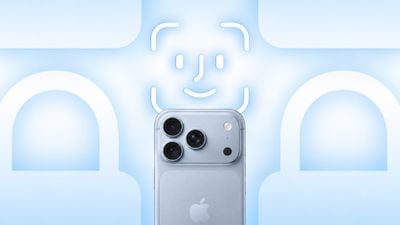
Apple's new iPhone 18 Pro and iPhone 18 Pro Max began arriving to customers on Friday, and unfortunately some early adopters are experiencing Face ID issues.
According to a Reddit post spotted by 9to5Mac, Face ID authentication for specific actions such as unlocking a locked app sometimes fails to work on the iPhone 18 Pro models, and the device then freezes and eventually reboots to the lock screen. It is unclear how widespread this problem is, but it can be hit or miss and not all users are affected.
Apple moved Face ID's infrared camera underneath the top-left corner of the display on the iPhone 18 Pro models to achieve a smaller Dynamic Island on the devices. It is unclear if this hardware change is related to these Face ID issues, but it is likely that Apple will eventually resolve any new Face ID bugs in a future iOS 27 update.
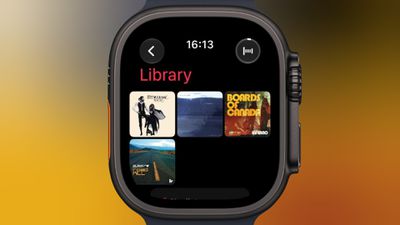
If you have an Apple Watch running watchOS 27 and you're an Apple Music subscriber, you can pin music to the top of your library to make it easier to find and play – great for those times when you're in the mood for a specific track, artist, album, or playlist.
In the Music app on your Apple Watch, when viewing a song, tap the three dots next to the song, then tap Pin [item]. You can also do this from the Now Playing screen via the three-dots button. You'll see the same option when viewing playlists, artists, and albums on your watch. To unpin an item from the top of your Library, press and hold the item, then tap Unpin.
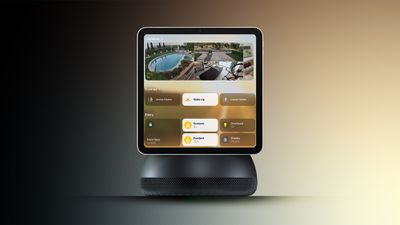
Apple could unveil its long-rumored smart home display as soon as October, according to Bloomberg's Mark Gurman.
In the latest edition of his "Power On" newsletter, Gurman narrows Apple's launch window after he said in August that the smart home display remained on track to arrive before the end of 2026. The device is expected to become a central interface for controlling accessories, communicating with other people in the home, accessing media, and using Apple services.
Apple is reportedly testing the product extensively in employees' homes. References found in Apple's software have linked the tabletop model to the internal designation "J490," while a second model identified as "J491" appears to be intended for wall mounting. Both identifiers were among several unreleased products referenced in macOS Tahoe 26.7.
The two versions will reportedly share a compact, square display. One will include a base for placing it on a desk or counter, while the other can be fixed to a wall. The screen is expected to be smaller than those used by many Amazon Echo Show models.
Apple has apparently developed a dedicated operating system built around Siri AI for the product, with visual elements drawn from iOS, tvOS, and watchOS. Its interface will offer a Home Screen, widgets, and selectable clock designs, allowing information to remain visible when the device is not being actively used. Users will reportedly be able to search information held across their Apple devices and accounts with Siri AI, retrieve previously shared songs or podcasts, locate photos, and request specific actions within apps.
Apple is believed to have postponed the home hub several times because these Siri features were not ready. That obstacle has now largely been removed following the release of iOS 27 with Siri AI earlier this month.
The display's camera will purportedly support video calls and recognize individual members of a household. Once it identifies the person in front of it, the software will be able to present that user's appointments, notes, preferred media, news, and other personalized information. The camera system reportedly provides this recognition without the depth-sensing components used for Face ID.
Other expected functions include smart home controls, intercom communication, music and video playback, and access to apps such as Calendar, Notes, and Reminders. An iPhone will be required during setup and for certain connected features.
The home display would be among the first major new products introduced under Apple CEO John Ternus. Gurman says Apple intends for the iPhone to remain the center of customers' mobile lives, while the display, Apple TV, and HomePod establish a corresponding hub for the home.
Apple's first foldable iPhone, with a book-style design featuring a 5.4-inch outer display and a 7.6-inch inner display with a minimal crease down the middle.









 Note: MacRumors is an affiliate partner with Amazon. When you click a link and make a purchase, we may receive a small payment, which helps us keep the site running.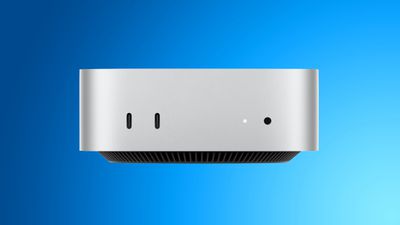
 If you have an Apple Watch running watchOS 27 and you're an Apple Music subscriber, you can pin music to the top of your library to make it easier to find and play – great for those times when you're in the mood for a specific track, artist, album, or playlist.