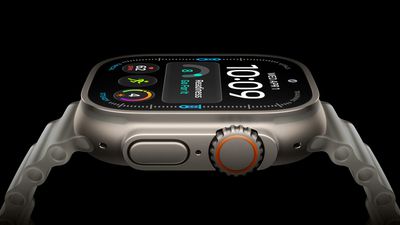
Apple is using a 128GB NAND flash die in Apple Watch Series 12 and Ultra 4 models, claims a Chinese hardware researcher, despite both devices officially offering only 64GB of storage. It's unclear why Apple would limit the accessible capacity, but it could conceivably be reserving some of it for intensive sensor data read/writes or as a durability buffer.
Something similar happened with the M4 iPad Pro in 2024, when teardowns indicated that 8GB models actually contained 12GB of physical RAM, with only 8GB made available to the system. Intriguingly, a 128GB NAND storage profile tied to the T8320 chip for the Apple Watch Series 12 and Ultra 4 was discovered earlier this month. Teardowns will hopefully clarify the situation.
Apple's 20th-anniversary iPhone lineup could feature slightly larger displays than the iPhone 18 Pro models, if a new leak shared on Weibo is accurate.
Prolific Chinese leaker Digital Chat Station claims that early iPhone 20 Pro display specifications include a 6.41-inch screen with a resolution of approximately 2,686 × 1,236 pixels, while the iPhone 20 Pro Max is said to have a 6.96-inch display with a resolution of around 2,912 × 1,340 pixels.
For comparison, the iPhone 18 Pro and iPhone 18 Pro Max feature 6.27 inches (rounded to 6.3 inches) and 6.86 inches (rounded to 6.9 inches) respectively. Those figures are measured as a standard rectangle, while the actual viewable area is smaller because of the devices' rounded corners. Meanwhile, the iPhone 18 Pro and 18 Pro Max resolutions are 2,622 × 1,206 pixels and 2,868 × 1,320 pixels, respectively.
The resolution increases track quite closely with the rumored increases in physical display size, suggesting Apple likely plans to keep roughly the same 460 ppi pixel density as the iPhone 18 Pro models. Digital Chat Station previously suggested the 6.96-inch display on the iPhone 20 Pro Max would likely be marketed as a 7-inch panel if it reaches production.
Apple last increased the size of its premium iPhone displays with the iPhone 16 Pro lineup in 2024. The iPhone 16 Pro grew from 6.1 to 6.3 inches, while the iPhone 16 Pro Max increased from 6.7 to 6.9 inches, thanks to slimmer bezels and slightly larger chassis dimensions. The leaked dimensions for the iPhone 20 Pro models suggest only a modest increase in overall screen size, but there could be a good reason for this.
Echoing previous claims, the leaker says Apple is testing a "borderless quad-curved" display design, with the screen curving away on all four sides. We've already seen multiple reports indicating that Apple's 20th-anniversary iPhone could resemble a single, uninterrupted slab of glass where the metal frame bezels are largely hidden during normal use. Bloombergreported in June that Apple had started ramping up work on two sizes of the 20th anniversary iPhone.
Apple is also rumored to be developing thinner and brighter OLED panels for the devices, along with under-display Face ID and potentially an under-display front-facing camera. However, Digital Chat Station says Apple is now testing a smaller Dynamic Island-style hole-punch design for the iPhone 20 Pro models that sounds similar to the new iPhone 18 Pro models, suggesting Apple may still be testing multiple approaches.
Photo/video quality and concealment issues with the under-screen FaceTime camera on the iPhone Duo offer a timely example of the kind of challenge that Apple is likely facing in its quest to create an uninterrupted display design. Unless it can improve the implementation, a cutout for the front camera may be the compromise Apple has to make for the iPhone 20 Pro models.
Apple is expected to skip an iPhone 19 lineup like it did an iPhone 9 when it jumped from the iPhone 8 to the iPhone X in 2017. The iPhone 20 Pro and iPhone 20 Pro Max are expected to launch in September 2027, following the debut of the regular iPhone 18 earlier in the same year.
Some new Apple Watch Ultra 4 and Apple Watch Series 12 owners are reporting the devices are rebooting unexpectedly, and diagnostic logs suggest the crashes are related to the Apple Neural Engine.
Reports have been posted in the MacRumors forums since the new models launched on Friday. Users describe their watches suddenly displaying the Apple logo and restarting while they were interacting with the device, when doing things like using Siri AI, editing watch faces, opening Maps or the App Store, starting phone calls, and recording workouts. Some reboots have even occurred when the watch was apparently idle.
Notably, at least four owners have shared "panic-full" diagnostic logs showing the same Neural Engine timeout. In each case, the Apple Neural Engine appears to hang for around two seconds before a firmware watchdog triggers a kernel panic and forces the watch to restart.
The problem has been reported on both the original watchOS 27.0 build and the day-one update that devices downloaded during the setup process. Some users have experienced reboots despite erasing their watches and setting them up as new, and one Series 12 owner said a replacement unit also suffered the same Neural Engine panic.
Around 30 owners have reported random reboots in the MacRumors forums thread so far. Users have also taken to Reddit and Apple Community Support to share similar experiences, so it looks like the problem is pretty widespread. Apple has yet to acknowledged the issue. Have you experienced the problem on a new Apple Watch Ultra 4 or Apple Watch Series 12? Let us know in the comments.
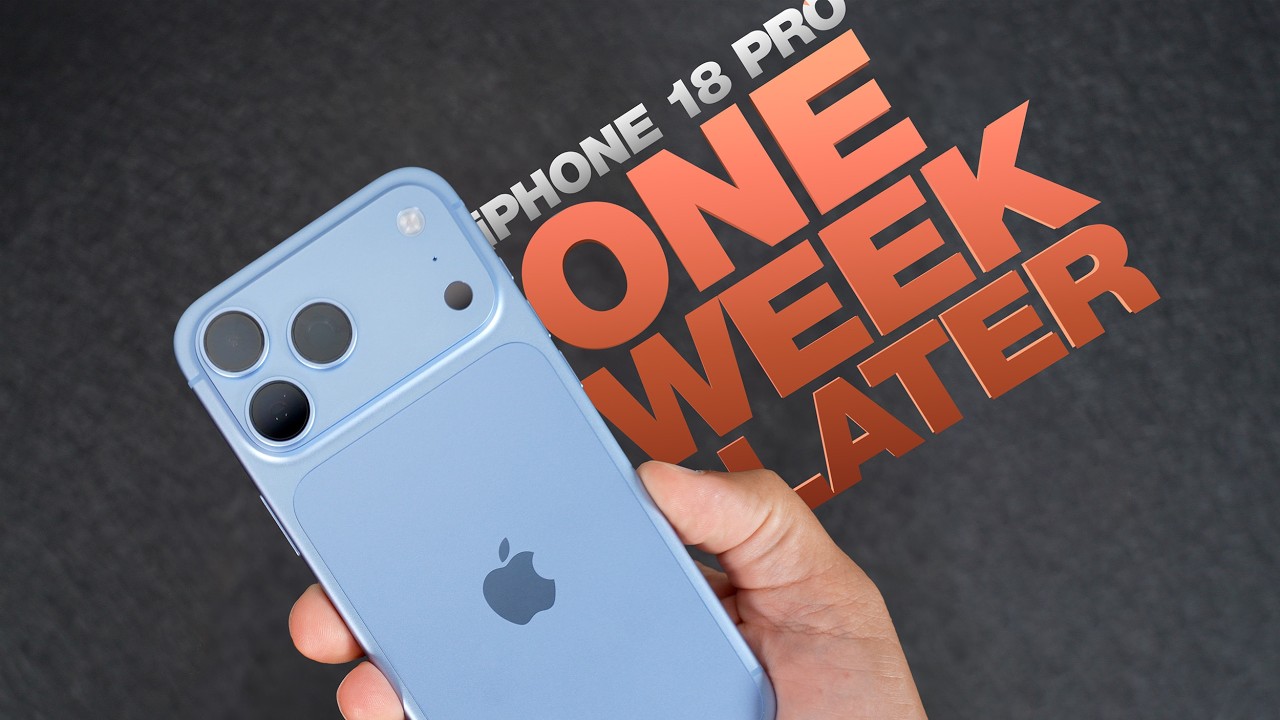
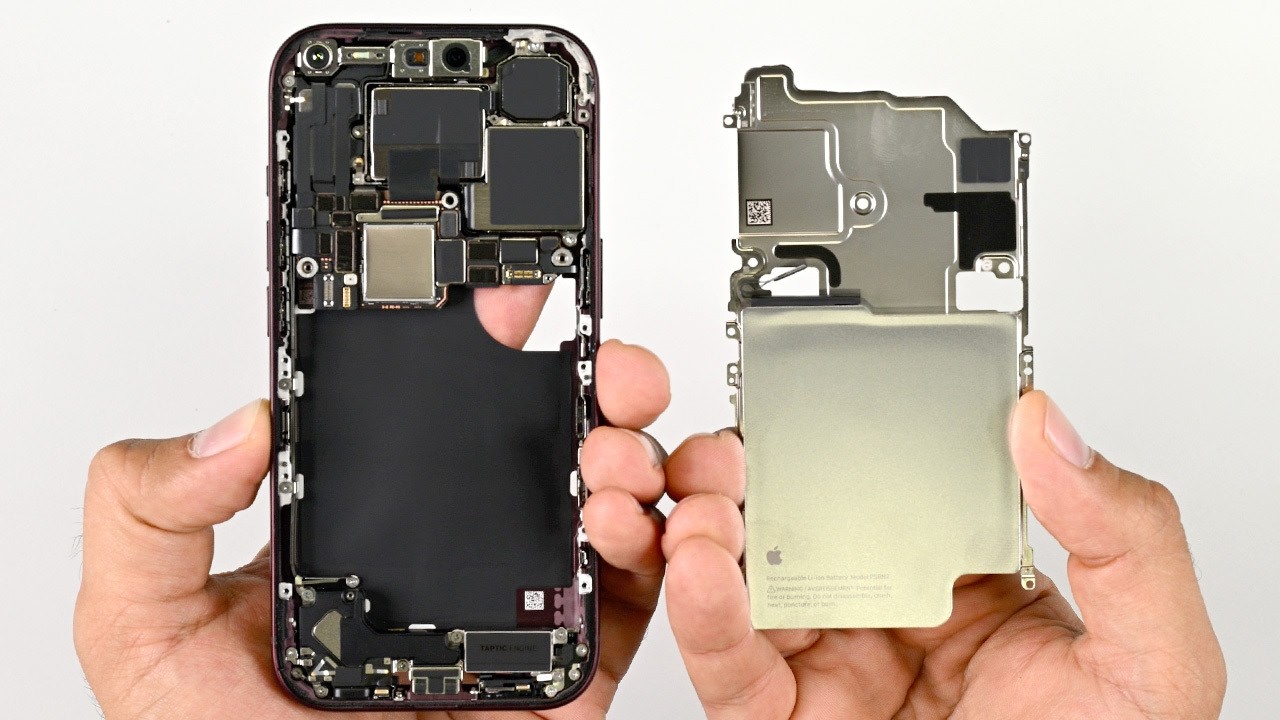
iFixit today published an iPhone 18 Pro and iPhone 18 Pro Max teardown in both article and video formats, providing a closer look inside the new devices.
The teardown confirms the battery capacities for the eSIM-only models:
iPhone 18 Pro: 4,288 mAh (+0.8% vs. 4,252 mAh for iPhone 17 Pro)
iPhone 18 Pro Max: 5,567 mAh (+9.4% vs. 5,088 mAh for iPhone 17 Pro Max)
eSIM-only models of the iPhone 18 Pro and iPhone 18 Pro Max are sold in the U.S., Canada, Mexico, Japan, Saudi Arabia, the United Arab Emirates, Qatar, Oman, Bahrain, and Kuwait. The devices have a SIM card tray in all other countries.
Battery capacities for iPhone 18 Pro models with SIM card trays surfaced previously.
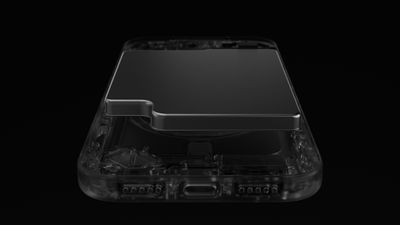
The teardown also provides an in-depth look at the new variable aperture system on both models, the larger vapor chamber for cooling, and more.
NAND now sits inside the dual-layer logic board, which makes storage-related repairs less convenient, according to iFixit. In addition, the screen's plastic frame cracked or broke away on three of the four iPhone 18 Pro models it opened, which is a new issue that it did not face with previous models. However, iFixit said further testing is needed.
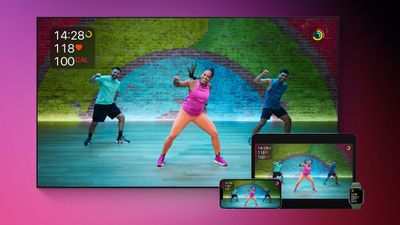
Apple laid off a "handful" of Apple Fitness+ employees last week, according to Bloomberg's Mark Gurman.
"This is widely seen within the Fitness+ organization as the beginning of more drastic cost-cutting measures and other major changes to the service in the months and years ahead," he said.
A shorter Apple Pencil for the iPhone Duo was in development, but Apple scrapped it due to "technical problems ahead of mass production," according to Bloomberg's Mark Gurman.
Apple will pay an estimated $25 per eligible iPhone to eligible customers, who can submit a claim via the settlement website between September 21 and December 21 of this year. The exact payment may be higher or lower than $25 depending on the total number of valid claims submitted and other factors, with the maximum amount set at $95.
Apple denies all of the allegations made in the lawsuit. Apple agreed to the settlement to avoid the costs and risks of a trial.
Below, we have answered some key questions regarding the lawsuit.
Why Was Apple Sued?
In June 2024, Apple previewed new Siri capabilities powered by Apple Intelligence, including understanding of a user's personal context, on-screen awareness, and deeper per-app controls. For example, Apple showed an iPhone user asking Siri about their mother's flight and lunch reservation plans based on info from the Mail and Messages apps.
In a statement, Apple touted a range of other Apple Intelligence features it had already released. Nevertheless, Apple agreed to settle the lawsuit "to stay focused" on "delivering the most innovative products and services to our users."
Siri AI is still considered a beta feature even though iOS 27 is no longer in beta.
Am I Eligible?
To be eligible to submit a claim, you must reside in the U.S. and have purchased one of the iPhone models listed below in the U.S. for purposes other than resale between June 10, 2024 and March 29, 2025.
The full list of eligible iPhone models:
iPhone 15 Pro
iPhone 15 Pro Max
iPhone 16
iPhone 16e
iPhone 16 Plus
iPhone 16 Pro
iPhone 16 Pro Max
Over the coming days, eligible customers should be notified about the settlement in an email, which will contain a claim ID and a PIN code. But, the settlement website also offers an option to submit a claim without this information.
The claims form asks for your personal information and the eligible iPhone's serial number. If you indicate that you do not have the serial number, the form asks for your Apple Account email address and the eligible iPhone's phone number.
How Much Will Apple Pay Me?
According to the terms of the settlement, each person who files an eligible claim will receive a per-device payment of $25, but this amount could increase up to $95 if the total number of claims submitted is lower than anticipated.
Where and When Can I Submit a Claim?
You can submit a claim on the settlement website between September 21 and December 21.
When Will I Receive Payment?
A final approval hearing is scheduled for February 24, 2027, so payments to customers are not expected to begin until some point next year.
What Else Should I Know?
The settlement website answers some common questions about opting out of the settlement and other important topics, so be sure to read it carefully.
A supposed Geekbench result for an unreleased M6 Pro chip surfaced this week, but it is likely fake.
Geekbench creator John Poole informed MacRumors that he uncovered "internal inconsistencies" that lead him to believe that the M6 Pro result might not be legitimate. Bloomberg's Mark Gurman previously reported that Apple plans to skip M6 Pro and M6 Max chips entirely.
The new Apple Watch Ultra 4 just launched yesterday, and Amazon is offering the first cash discounts on select models for the first time since their launch. You can get the Apple Watch Ultra 4 for $779.99, down from $799.00.
Note: MacRumors is an affiliate partner with some of these vendors. When you click a link and make a purchase, we may receive a small payment, which helps us keep the site running.
If you're shopping for the new Apple Watch Series 12, Amazon also has a few markdowns on these devices. You can get the 42mm GPS Series 12 for $389.99 and the 46mm GPS Series 12 for $439.99, both of which are $9 discounts and the best prices we've seen yet.
If you're on the hunt for more discounts, be sure to visit our Apple Deals roundup where we recap the best Apple-related bargains of the past week.
Deals Newsletter
Interested in hearing more about the best deals you can find in 2026? Sign up for our Deals Newsletter and we'll keep you updated so you don't miss the biggest deals of the season!
All of Apple's products introduced at last week's event with the exception of the iPhone Duo are now available, with the iPhone 18 Pro and Pro Max, Apple Watch Series 12 and Ultra 4, and AirPods 5 all launching on Friday.
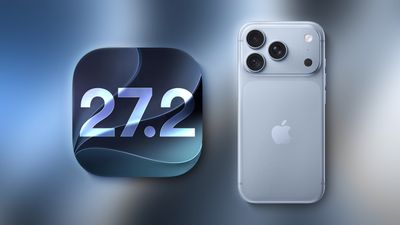
While new hardware is always a welcome arrival, users of existing hardware also got big upgrades this week with the releases of iOS 27, macOS Golden Gate and more. Apple is also already looking ahead to iOS 27.1 that will ship with the iPhone Duo next month and iOS 27.2 that will see the first significant round of improvements to iOS 27 for all users, so read on below for all of details on these stories and more!
Top Stories
Apple Releases iOS 27 and iPadOS 27 With Siri AI and Liquid Glass Update
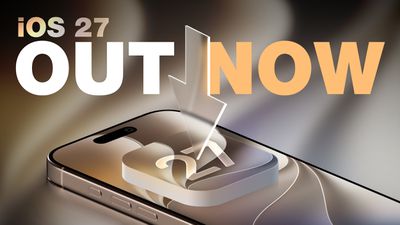
Following last week's big iPhone event, this week saw the traditional public release of Apple's new major operating system updates, headlined by iOS 27 and iPadOS 27.
iOS 27 brings new Siri AI capabilities to users in many countries around the world, as well as a variety of other new features and improvements. For a quick introduction to iOS 27, check out our list of 10 features to try first, and when you're ready for more, move on to our look at 50 new things your iPhone can do in iOS 27.
And for the most thorough look at what's new, our iOS 27 Ultimate Mega Guide links to all of the feature coverage we've been putting together for the release.
macOS Golden Gate Now Available With Siri AI, Visual Intelligence and More
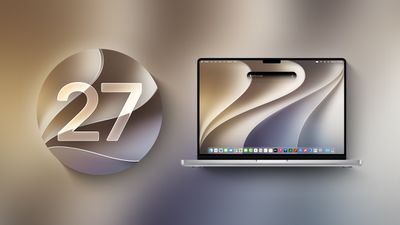
On the Mac side, this week saw the release of macOS Golden Gate 27. The update introduces Siri AI, a smarter chatbot version of Siri with a dedicated Siri app. It also brings Visual Intelligence to the Mac for the first time, and tweaks the look of the Liquid Glass design update Apple introduced last year.
For a quick overview of what's new in macOS Golden Gate, be sure to check out our list of 10 features to try first, including Siri AI, easier creation of Shortcuts and Safari Extensions, performance improvements, and more, and then move on to our guide to 50 new features and changes for a more in-depth look.
Apple Says iPhone 18 Pro Max Sold in U.S. Differs in One Way
Apple later updated its spec pages for the new models around the world, making it clear that the C2 is included in both the iPhone 18 Pro and Pro Max in every country around the world EXCEPT for the iPhone 18 Pro Max in the United States. That device continues to use the Qualcomm Snapdragon X80 modem from the iPhone 17 Pro models, but Apple has yet to explain the reason for this difference.
Reminder: iOS 27's All-New Siri AI Has a Waitlist, Here's How to Sign Up
Keep in mind that while iOS 27 is compatible with the iPhone 11 and newer, Siri AI is limited to the iPhone 15 Pro and newer. It is also not currently available at all in EU countries due to Apple's regulatory battle with the European Commission over Digital Markets Act requirements.
For those who are eligible for Siri AI, joining the waitlist is a simple process in the Settings app. Once on the list, wait times seem to vary, with some users receiving access to Siri AI within a few minutes of signing up and others having to wait a few hours or even days.
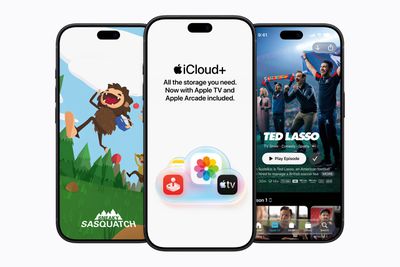
In select countries, Apple says every paid iCloud+ plan, including the cheapest 50GB tier, now includes Apple TV and Apple Arcade "at no additional cost," while family sharing extends the storage, TV and Arcade access to up to five people.
The initiative does not include the U.S., Canada, Australia, nor is it offered in the UK and other European markets, but it is clearly more than a promotional offer, since Apple TV and Apple Arcade will stop being sold as individual subscriptions through Apple in countries where it has launched.
MacRumors Newsletter
Each week, we publish an email newsletter like this highlighting the top Apple stories, making it a great way to get a bite-sized recap of the week hitting all of the major topics we've covered and tying together related stories for a big-picture view.
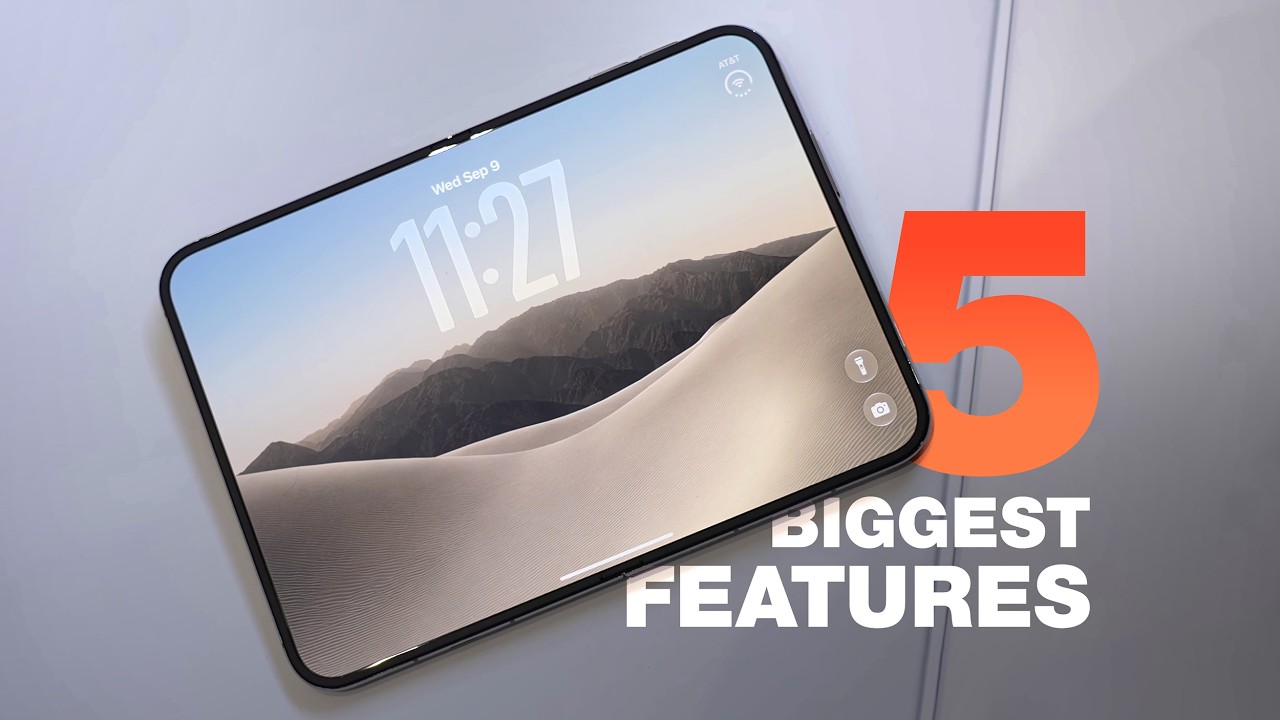
Apple hardware engineering VP Tom Marieb spoke with TechRadar and shared some candid thoughts about Apple's upcoming iPhone Duo.
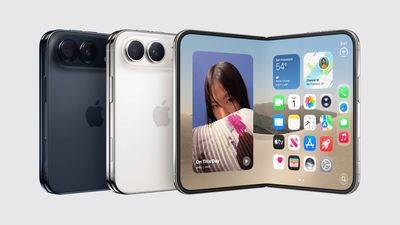
The iPhone Duo uses a matte nano-texture display, which is meant to cut down on glare and minimize the visibility of the crease. When asked if the iPhone Duo's crease would be more visible over time, as that's what tends to happen on other foldables, Marieb said the nano-texture display would help. He asked people to hold the company "accountable" on crease visibility.
Hold us accountable to that, please. The choice of a matte finish — apart from it being beautiful — is part of that equation. When you look at glossy displays, their specularity makes it very easy to pick up topology differences. That's part of the reason we picked the matte finish — it's not only beautiful in terms of preventing glare, but it's also more forgiving of [hinge] changes over time.
Marieb said the iPhone Duo's hinge was something he was "especially proud of" because it took a long time to get the right design. Apple wanted a durable hinge that felt solid to open and close.
We really worked on the torque profile very heavily, and that means changing a lot of the mechanical properties of the hinge to have it feel solid, like a high-end automobile's car door, when you shut it. That was design intent, so people would have a feeling like, 'Oh, it's okay. This is well crafted, and it's safe for me to use and not worry about it.'
Apple didn't want the hinge to be "floppy," so torque had to be perfected for different use cases. The hinge Apple came up with lets the iPhone Duo be used in partially folded seated and standing modes, as well as open and closed. Marieb said "a lot of blood, sweat, and tears" went into the hinge design.
Marieb also spoke about Ceramic Shield 2, his dislike of screen protectors, and more, with the full interview available on TechRadar.
The iPhone Duo will be available for pre-order on October 16 and will launch on October 23. Pricing starts at $1,999.
The iPhone 18 Pro Max has a battery capacity over 20 watt-hours, which means there are additional shipping requirements. If an iPhone 18 Pro Max needs to be shipped somewhere, its maximum battery capacity has to be limited through firmware.
According to Apple, the iPhone 18 Pro Max uses an "innovative battery-firmware solution" that limits battery capacity to below 20Wh between when the iPhone is manufactured and its delivery to a customer. Activating the iPhone removes the limit to make the battery's full charging capacity available. iPhones that are not yet activated or still in the box will not need Prepare to Ship because they are already limited to under 20Wh.
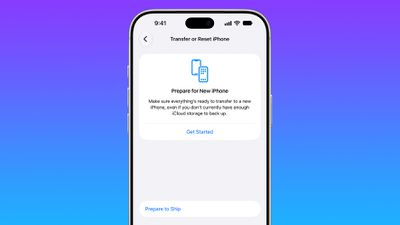
Customers who need to ship the iPhone 18 Pro Max for repair, trade-in, or other purposes have to use a new Prepare to Ship feature. Prepare to Ship discharges the battery to below 20Wh and sets a charge limit so the iPhone stays below the threshold during the shipping process.
The Prepare to Ship option can be accessed by going to Settings > General > Transfer or Reset iPhone > Prepare to Ship. Apple warns that the iPhone can become "warmer than usual" during Prepare to Ship if the battery needs to be discharged. When finished, the iPhone shows a "Ready to Ship" status in Settings.
If Prepare to Ship needs to be undone, there is an option in the same section of the Settings app to undo the shipping preparation. Depending on the reason the user selected for the Prepare to Ship feature, there could be a 14-day waiting period before it can be disabled.
Apple emphasizes that the iPhone 18 Pro Max is safe for shipping and air travel, and the limit has been added to meet shipping requirements. Since no other iPhones have a single-cell battery over 20Wh, this procedure isn't needed for other models.
The Apple Watch Series 12 came out today, and we picked one up to get a look at the new feature set. There are no major external changes, but Apple updated the device's internals and health sensors.
The Apple Watch Series 12 has the same design as the Series 11, but it does come in different colors. The aluminum models are available in a light gold shade that's distinct from the rose gold Apple used last year, as well as dark bronze, black, and space gray. There are also ceramic models in pearl white and night blue, and polished titanium models in radiant gold and natural. On the aluminum models, Apple is now using Ceramic Shield 2 instead of Ion-X glass, and the new material is 60 percent tougher.
You might not be able to tell a Series 11 apart from a Series 12 when looking at the front, but the back has been updated. Apple says the upgraded sensors make the Apple Watch Series 12 the most accurate wearable for heart rate sensing.
The Series 12 has a Health Sensing System that pairs the new sensors with an S11 chip that's faster than the S10 in the prior-generation model. It takes heart rate readings every five seconds now and measures heart rate variability as often as every five minutes.
It's early, but so far we haven't seen the higher sampling rates cause excessive battery drain. The Apple Watch Series 12 is still rated for all-day battery life, and charging is faster this year. You can get up to 12 hours of normal usage from a 15-minute charge, but you need to use the Apple Watch charger that comes with the Series 12. Older chargers won't give you the faster charging rate.
The Health Sensing System powers a readiness score that lets you know whether to go all-out on activity or take a rest day. It's based on metrics such as recent activity, vitals, and sleep, and will adjust as the day continues. It takes about a week of data collection from the Series 12 before you start getting a readiness score.
The S11 chip will power Live Rewind and Siri Recap features, but those won't be available until later this year.
Even though the Apple Watch hasn't seen a design refresh, the health features make this a decent update. You may not want to upgrade if you have the Series 10 or Series 11, but anything older is worth upgrading from.
The Series 12 comes in 42mm and 46mm size options with pricing starting at $399.
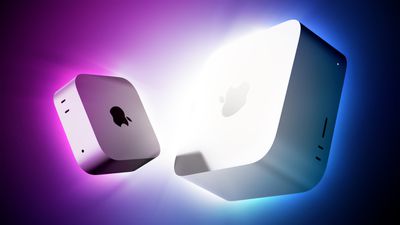
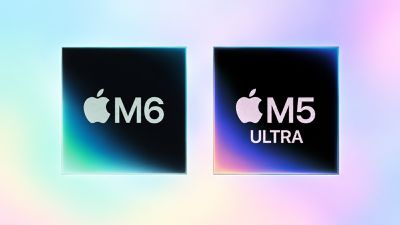
So far, the M5 Ultra has achieved up to a 59% higher Metal score (366,744) on Geekbench 7 compared to the M3 Ultra's average score of 230,420, and the chip's OpenCL score is roughly in line with NVIDIA's GeForce RTX 4080.
As for the M6 chip, it has so far achieved up to a 34% higher Metal score (93,217) compared to the M5 chip's average score of 69,563.
TechInsights has published an iPhone 18 Pro Max teardown that confirms the U.S. version of the device is equipped with Qualcomm's Snapdragon X80 modem.
The device's modem firmware had already pointed towards the Snapdragon X80 modem.
The smaller iPhone 18 Pro and the iPhone Duo use Apple's custom-designed C2 modem worldwide, and the iPhone 18 Pro Max uses the C2 modem in every other country, so the U.S. version of the iPhone 18 Pro Max having a Qualcomm modem is unique.
iPhone 17 Pro and iPhone 17 Pro Max models have the same Snapdragon X80 modem worldwide, although TechInsights noted that the U.S. version of the iPhone 18 Pro Max has a newly-identified mmWave 5G antenna module from Apple.
We will have to wait for C2 vs. Snapdragon X80 performance tests.
Apple has yet to explain why only the U.S. version of the iPhone 18 Pro Max still has a Qualcomm modem, so we can only speculate for now. In 2023, Qualcomm announced that it would supply Apple with smartphone modems through 2026, so perhaps Apple is ensuring that it complies with its contractual obligations in a minimal way.
Apple's C2 modem supports ultra-fast mmWave 5G in the U.S., unlike its previous-generation C1 and C1X modems. Qualcomm modems in the iPhone 12 and newer already supported mmWave 5G in the U.S., so Apple played catch up here. Apple said the C2 delivers "meaningfully faster uploads" compared to the C1X while consuming 15% less energy.
Apple today released the first Xcode 27.1 beta. The latest version of the tool adds support for iPhone Duo app development.
Available on Apple silicon Macs running macOS 26.6 or later, Xcode 27.1 includes updated SDKs for the iPhone Duo, and a simulator that supports the device's new poses and orientations.
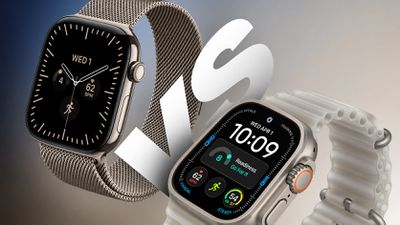
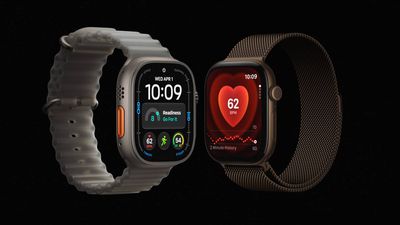
The Apple Watch Series 12 and Apple Watch Ultra 4 bring new health sensors, a new chip, and more detailed recovery insights to Apple's smartwatch lineup, so how do they compare?
Both models feature the S11 chip, 4GB of RAM, 64GB of storage, and the new Health Sensing System, which measures heart rate every five seconds throughout the day. They also share Readiness, Recovery HRV, daytime vitals, improved step tracking, hypertension notifications, sleep apnea notifications, Sleep Score, and more. This means that the Ultra 4's higher price does not buy you more advanced everyday health tracking.
The Apple Watch Series 12 starts at $399, while the Apple Watch Ultra 4 starts at $799. The gap narrows if you want a premium case material, with the titanium Series 12 starting at $699. This year, the Series 12 also gains a ceramic option starting at $899, making it more expensive than the Ultra despite its smaller size and shorter battery life.
The Apple Watch Ultra continues to focus on durability, extended battery life, and additional capabilities for activities like diving and exploration. Our guide helps to answer the question of how to decide which of these two Apple Watches is best for you. The differences between the Apple Watch Series 12 and Apple Watch Ultra 4 are as follows:
Apple Watch Series 12
Apple Watch Ultra 4
Rounded design with a thinner case and front glass that curves at the edges
Rugged design with a thicker case and slightly raised edges to protect the flat front crystal
Aluminum, polished titanium, or polished ceramic case
Blasted titanium case
Aluminum and titanium: 42mm and 46mm case sizes Ceramic: Marketed as 42mm and 46mm, with actual heights of 43mm and 47mm
49mm case size
42mm aluminum and titanium: 37mm case width 43mm ceramic: 37mm case width 46mm aluminum and titanium: 40mm case width 47mm ceramic: 41mm case width
49mm titanium: 44mm case width
Aluminum and titanium: 9.7mm case depth Ceramic: 9.85mm case depth
12mm case depth
Weighs 31.5 to 52.9 grams depending on case size, material, finish, and connectivity
Natural titanium: 63.0 grams Black titanium: 63.1 grams
Aluminum: Ceramic Shield 2 front glass Titanium and ceramic: Sapphire front crystal
Sapphire front crystal
42mm: 374 by 446 pixels 46mm: 416 by 496 pixels
422 by 514 pixels
42mm: 970 sq mm display area 46mm: 1,196 sq mm display area
1,245 sq mm display area
Up to 2,000 nits peak brightness
Up to 3,000 nits peak brightness
Exclusive Wayfinder, Modular Ultra, and Orienteering faces
Customizable Action button, including Precision Start for workouts
86-decibel Siren to attract attention
Single speaker
Dual speakers
Single microphone with Voice Isolation
Three-microphone array with beamforming and wind noise mitigation
Aluminum: GPS or GPS + Cellular options Titanium and ceramic: GPS + Cellular
GPS + Cellular on all models
U.S. TDD cellular bands: 5G n38, n40, and n41; LTE 38, 39, 40, and 41
U.S. TDD cellular bands: 5G n38, n40, n41, and n53; LTE 38, 39, 40, 41, and 53
Satellite communications for Emergency SOS, Messages, and Find My
Precision L1 GPS
Precision dual-frequency GPS (L1 and L5)
GPS, GLONASS, Galileo, QZSS, and BeiDou support
GPS, Galileo, QZSS, and BeiDou support
Water resistant to 50m
Water resistant to 100m
Suitable for swimming and snorkeling
Suitable for swimming, snorkeling, high-speed water sports, and recreational scuba diving to 40m
Depth gauge and Depth app to 6m
Depth gauge and Depth app to 40m
Tested to MIL-STD 810H
EN13319 certification for recreational scuba diving
Recommended ambient operating temperature of 0°C to 35°C
On-wrist operating temperature of -20°C to 55°C
Always-on altimeter
Always-on altimeter with expanded operating range from -500m to 9,000m
Operating altitude from 0m to 3,000m
Operating altitude from -500m to 9,000m
Up to 24 hours of normal use
Up to 50 hours of normal use
Up to 38 hours in Low Power Mode
Up to 84 hours in Low Power Mode
Up to 10 hours of standard outdoor workout tracking
Up to 18 hours of standard outdoor workout tracking
Up to 25 hours in Extended Workout mode with full GPS and heart rate readings
Up to 45 hours in Max Extended Workout mode, retaining GPS readings every second
Charge from 0 to 80% in about 30 minutes
Charge from 0 to 80% in about 45 minutes
15 minutes of charging for up to 12 hours of normal use
15 minutes of charging for up to 18 hours of normal use
Aluminum: Dark Bronze, Light Gold, Black, and Space Gray Titanium: Radiant Gold and Natural Ceramic: Pearl White and Night Blue
Natural Titanium or Black Titanium
Hermès: Silver or Radiant Gold titanium
Hermès: Natural titanium
40% recycled content in aluminum and titanium models
45% recycled content
Aluminum: Starts at $399 Titanium: Starts at $699 Ceramic: Starts at $899 Hermès: Starts at $1,399
Standard: Starts at $799 Hermès: Starts at $1,499
For most users, the Apple Watch Series 12 is the better choice. It offers the same performance, health sensors, Readiness insights, and Audio Intelligence features as the Ultra 4 in a thinner, lighter device. The aluminum model delivers these benefits for $400 less, making it the stronger option for everyday use and regular workouts.
The Ultra 4's most broadly useful advantage is battery life. Its longer endurance makes overnight wear and extended workouts easier to fit around charging. You do not need to be an endurance athlete to appreciate less frequent charging, but the premium is easier to justify if the Series 12 cannot comfortably cover your usual activities and charging habits.
For hiking away from cellular coverage, recreational scuba diving, or very long events, the Ultra has a clearer purpose. Satellite communications, dual-frequency GPS, greater water resistance, and extended workout modes address needs that the Series 12 cannot fully meet. The Action button and brighter display may also appeal to enthusiasts who simply want more capable hardware.
Size and appearance remain substantial trade-offs. The Ultra is considerably bulkier and heavier despite offering a display only slightly larger than the 46mm Series 12's. The Series 12 is more discreet and offers polished titanium and ceramic finishes, making it better suited to buyers who prioritize comfort or appearance. Try on the Ultra before buying if you are unsure about its size.
The decision becomes closer if you already want the titanium Series 12, since its starting price is just $100 below the Ultra's. At that point, paying more for longer battery life and additional hardware is reasonable if you are comfortable with the larger case. The $899 ceramic Series 12 is primarily a choice of material and finish; choose it because you prefer its appearance, rather than expecting more capabilities than the $799 Ultra.
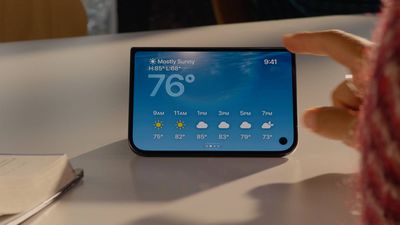
Apple's first foldable iPhone, with a book-style design featuring a 5.4-inch outer display and a 7.6-inch inner display with a minimal crease down the middle.


 Apple is using a 128GB NAND flash die in Apple Watch Series 12 and Ultra 4 models, claims a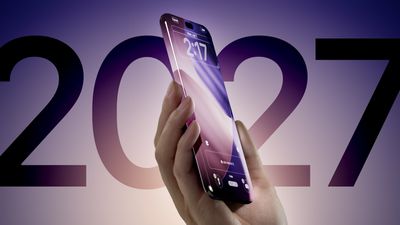

 Apple laid off a "handful" of Apple Fitness+ employees last week, according to
  A shorter Apple Pencil for the iPhone Duo was in development, but Apple scrapped it due to "technical problems ahead of mass production," according to
 A supposed
  Note: MacRumors is an affiliate partner with some of these vendors. When you click a link and make a purchase, we may receive a small payment, which helps us keep the site running.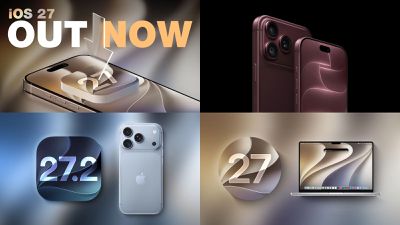


 Apple today released the first