The first iPod touch went on general sale on September 14, 2007, nine days after Steve Jobs unveiled it at Apple's "The Beat Goes On" media event. The device brought the iPhone's multi-touch interface, Wi-Fi, and Safari browser to the iPod lineup for the first time, but it lacked cellular phone functionality and a camera.
iPod touch launched at $299 for 8GB and $399 for 16GB, and was pitched as a pocket-sized way to browse the web and buy music wirelessly through the iTunes Wi-Fi Music Store. It went on to see seven generations, before Apple discontinued it in 2022.
Bloomberg's Mark Gurman has suggested Apple will release an "iPhone Duo Max" in the coming years, highlighting why Apple chose the "Duo" moniker over other names.
In the months leading up to Apple's iPhone Duo unveiling, Gurman reported that employees within Apple had begun referring to the device as the "iPhone Ultra," possibly having been influenced by media coverage of the device and leaker speculation.
In the end, however, Apple chose to go with a three-letter "Duo" suffix, which Gurman says matches Air and Pro, and leaves room for additional suffixes that wouldn't have worked with "Ultra."
Writing in his latest Power On newsletter, Gurman foresees the company releasing an "iPhone Duo Max" in the future, which would likely feature a larger display, and perhaps even a "Duo SE" or "Duo Mini," with stripped-down specs and a clamshell design, respectively.
Gurman says he fully expects the iPhone Duo to become the "predominant foldable phone on the market," thanks to its software adaptations, high-quality hardware, and durability compared to other foldables. Indeed, he argues that the device is "so impressive" that it will "turn foldables into the new normal." Do you agree? Let us know in the comments.
Earlier this month, references to two unreleased Apple game controllers were allegedly spotted in macOS 26.7 beta code, and now Bloomberg's Mark Gurman has shared more details.
In his Power On newsletter today, Gurman said the controllers have been in development for more than a year, are for the iPhone, and will likely have Beats branding. Acquired by Apple in 2014, Beats has expanded beyond headphones and now sells charging cables, iPhone cases, and more.
"Apple sees this as a growing market and wants in," he wrote. No word on pricing or availability.
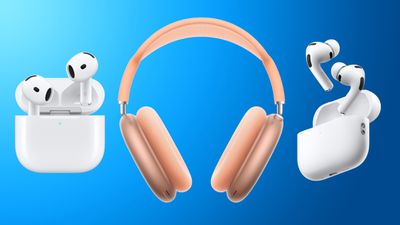
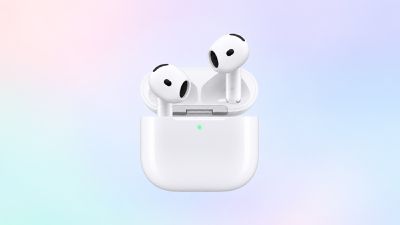
Apple just announced the new AirPods 5, and Amazon has them up for pre-order right now starting at $129.00. If you are looking for deals on other models, Amazon also has great prices on AirPods Max 2 at $100 off, AirPods Pro 3 at $50 off, and AirPods 4 at $30 off.
Note: MacRumors is an affiliate partner with some of these vendors. When you click a link and make a purchase, we may receive a small payment, which helps us keep the site running.
AirPods 5
You can pre-order the AirPods 5 and AirPods 5 with Wireless Charging Case right now on Amazon, available for $129.00 and $149.00, respectively. There are no pre-order deals yet on these devices, and they will officially launch on September 18.
Free delivery has the AirPods Max 2 arriving around September 15, but Prime members should see same-day delivery options in many locations. We haven't seen the AirPods Max 2 hit their all-time low price since June, so if you've been waiting for a solid deal, today's your chance to save on the headphones.
AirPods Pro 3
Amazon today has the AirPods Pro 3 available for $199.00, down from $249.00. This is the best price we've seen on the AirPods Pro 3 since Prime Day in June, coming in around $20 higher when compared to that all-time low price.
This model of the AirPods Pro launched in September 2025 and has 2x better Active Noise Cancellation than the previous generation, better audio quality, a revised fit that's meant to improve comfort and stability, Live Translation for in-person conversations, and heart rate sensing for workouts.
AirPods 4
You can also get the AirPods 4 for $99.00, down from $129.00. This is a second-best price on the AirPods 4, which is the base model without Active Noise Cancellation.
If you're on the hunt for more discounts, be sure to visit our Apple Deals roundup where we recap the best Apple-related bargains of the past week.
Deals Newsletter
Interested in hearing more about the best deals you can find in 2026? Sign up for our Deals Newsletter and we'll keep you updated so you don't miss the biggest deals of the season!
Update 10:04 a.m.: iOS 27 is rolling out now, though it may take a bit for all users to see it, so keep checking!
Apple is about to release iOS 27, which will finally deliver more advanced Siri AI capabilities as well as a variety of other refinements, improvements, and new features to iPhones. It's Apple's biggest software update of the year, and Apple announced at Wednesday's iPhone event that it will be releasing iOS 27 sometime today – Monday, September 14.
iOS 27 won't be the only release today, as macOS Golden Gate and other releases in the OS 27 family will also drop around the same time as iOS 27.
Based on past releases, the update is likely to drop at around 10:00 a.m. Pacific Time/1:00 p.m. Eastern Time. Apple's own websites for countries around the world also suggest a 10:00 a.m. Pacific Time release, with Apple's site for India listing a September 14 launch while the company's pages for Singapore, Hong Kong, and others in that region list a September 15 release. That points to a narrow release window around 10:00 a.m. Pacific to line up with time zones where it will be after midnight in some of those countries.
To give iPhone users globally an idea of when iOS 27 should become available as an over-the-air update, we've compiled the below list of time zone conversions for a number of countries. This list isn't exhaustive, so please verify the exact time for your specific location, and bear in mind that there could always be a delay as Apple prepares its servers for rollout.
Australia (Western) - 1:00 a.m. (01:00) AWST (Tuesday)
Australia (Eastern) - 3:00 a.m. (03:00) AEST (Tuesday)
Austria - 7:00 p.m. (19:00) CEST
Baltic countries - 8:00 p.m. (20:00) EEST
Belgium - 7:00 p.m. (19:00) CEST
Brazil East - 2:00 p.m. (14:00) BRT
Canada (Pacific) - 10:00 a.m. (10:00) PDT
Canada (Eastern) - 1:00 p.m. (13:00) EDT
Canada (Atlantic) - 2:00 p.m. (14:00) ADT
China - 1:00 a.m. (01:00) CST (Tuesday)
Denmark - 7:00 p.m. (19:00) CEST
Finland - 8:00 p.m. (20:00) EEST
France - 7:00 p.m. (19:00) CEST
Germany - 7:00 p.m. (19:00) CEST
Hong Kong - 1:00 a.m. (01:00) HKT (Tuesday)
India - 10:30 p.m. (22:30) IST
Indonesia (Western) - midnight (00:00) WIB (Tuesday)
Ireland - 6:00 p.m. (18:00) IST
Italy - 7:00 p.m. (19:00) CEST
Japan - 2:00 a.m. (02:00) JST (Tuesday)
Luxembourg - 7:00 p.m. (19:00) CEST
Netherlands - 7:00 p.m. (19:00) CEST
New Zealand - 5:00 a.m. (05:00) NZST (Tuesday)
Norway - 7:00 p.m. (19:00) CEST
Poland - 7:00 p.m. (19:00) CEST
Portugal - 6:00 p.m. (18:00) WEST
Puerto Rico - 1:00 p.m. (13:00) AST
Saudi Arabia - 8:00 p.m. (20:00) AST
Singapore - 1:00 a.m. (01:00) SGT (Tuesday)
South Africa - 7:00 p.m. (19:00) SAST
South Korea - 2:00 a.m. (02:00) KST (Tuesday)
Spain - 7:00 p.m. (19:00) CEST
Sweden - 7:00 p.m. (19:00) CEST
Switzerland - 7:00 p.m. (19:00) CEST
Taiwan - 1:00 a.m. (01:00) CST (Tuesday)
UAE - 9:00 p.m. (21:00) GST
United Kingdom - 6:00 p.m. (18:00) BST
United States (Pacific) - 10:00 a.m. (10:00) PDT
United States (Mountain) - 11:00 a.m. (11:00) MDT
United States (Central) - noon (12:00) CDT
United States (Eastern) - 1:00 p.m. (13:00) EDT
Be Prepared to Wait
When iOS 27 and iPadOS 27 become available as an over-the-air update, make sure your device is fully charged before you start the process over Wi-Fi, as it may take some time to complete. To check that the update is available, go to Settings ➝ General ➝ Software Update, and wait a moment for your device to contact Apple's servers. If you're in no rush, you can wait for iOS 27 to be delivered to your iPhone when you next plug it into your computer.
On that note, a word of caution: During the initial rollout of major software updates like iOS 27, Apple users may experience slower download speeds and sluggish performance when trying to update their devices. This is largely due to the high demand on Apple's servers, as millions of users worldwide attempt to download the update simultaneously.
The surge in traffic can overwhelm network capacity, leading to delays in downloading or installing the update. To avoid these potential issues, you may want to wait a day or two before installing the update, allowing server congestion to subside and ensuring a smoother upgrade experience.
As noted by Nicolas Lellouche, who writes for the French tech website Numerama, Apple has updated its tech specs pages for the iPhone 18 Pro and iPhone 18 Pro Max to clarify which models are equipped with its new C2 cellular modem and where.
Apple now says the iPhone 18 Pro has a C2 modem worldwide, while the iPhone 18 Pro Max uses the chip in every country except for the U.S.
According to a tipster known as @itspdfu, who has been digging through Apple's software updates in recent weeks, iOS 27 code reveals that the iPhone 18 Pro Max is equipped with a Qualcomm modem instead of the C2 chip in the U.S.
Apple has yet to provide an explanation for this modem difference, so we can only speculate for now. In 2023, Qualcomm announced that it would supply Apple with smartphone modems through 2026, so perhaps Apple is equipping the U.S. version of the iPhone 18 Pro Max with a Qualcomm modem in order to honor this agreement in a minimum way.
Apple's C2 modem supports ultra-fast mmWave 5G in the U.S., unlike its previous-generation C1 and C1X modems. Qualcomm modems in the iPhone 12 and newer already supported mmWave 5G in the U.S., so Apple is playing catch up here. Apple said the C2 delivers "meaningfully faster uploads" compared to the C1X while consuming 15% less energy.
Apple's first-generation C1 modem debuted in the iPhone 16e in February 2025, and the second-generation C1X debuted in the iPhone Air in September 2025. Now, the third-generation C2 modem has arrived in the iPhone 18 Pro models, except for the iPhone 18 Pro Max in the U.S. as mentioned, as Apple's transition away from Qualcomm continues.
It is unclear which Qualcomm modem is in U.S. units of the iPhone 18 Pro Max, but the Snapdragon X85 is most likely. Over the coming weeks, real-world performance tests should show how the C2 and Snapdragon X85 stack up.
Apple's foldable iPhone Duo uses the C2 modem worldwide.
Apple's long-awaited foldable iPhone Duo is here, but that wasn't all we saw at this week's event, as Apple also took the wraps off of the iPhone 18 Pro and Pro Max, the Apple Watch Series 12 and Ultra 4, and the AirPods 5.
We'll have to wait a little over a month to get our hands on the foldable iPhone Duo, but the rest of the products will be out at the end of next week. And don't forget iOS 27, macOS Golden Gate, and other software updates that will be dropping on Monday!
The event saw John Ternus taking the stage just days after officially becoming Apple CEO, making some of the bigger announcements of the day and handing off to other Apple executives to present the details.
Apple Announces Foldable 'iPhone Duo'
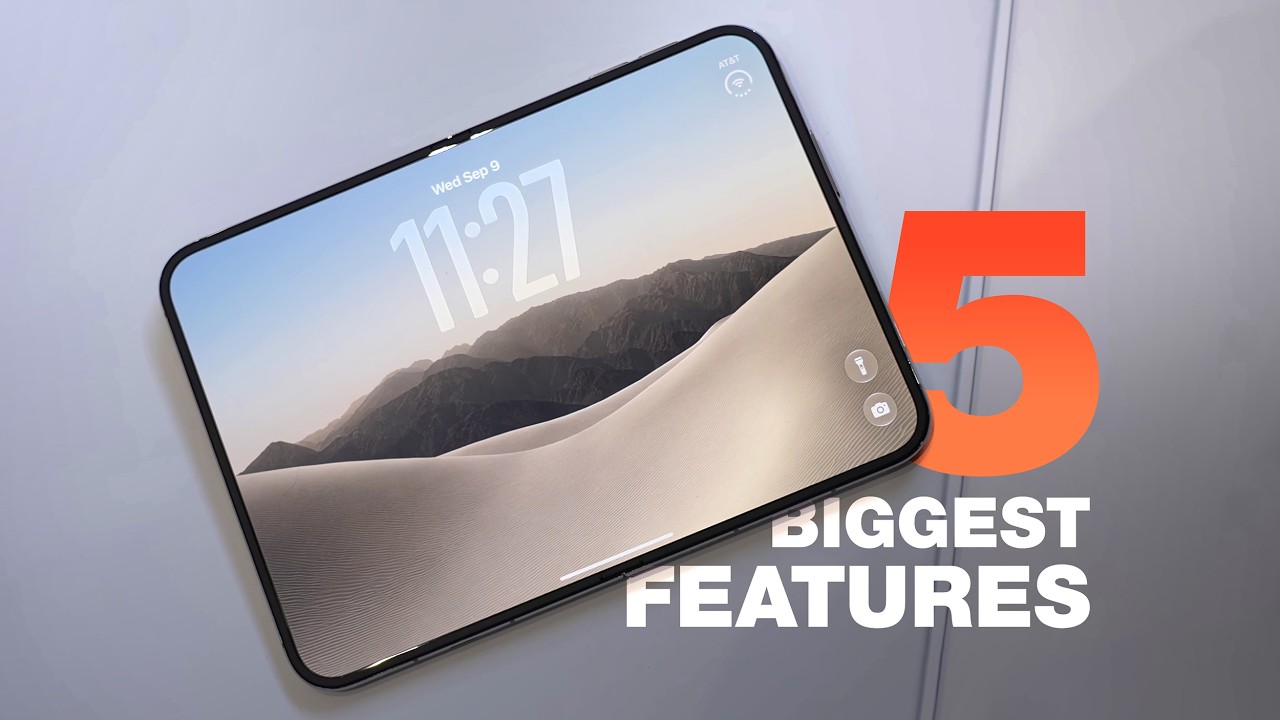
The star of Wednesday's show was a "one more thing" unveiling of the iPhone Duo, Apple's new compact foldable phone featuring a more traditional-sized screen on the outside but unfolding into a nearly iPad mini-sized screen on the inside.
In addition to a refined hardware design, the iPhone Duo features numerous software refinements to deliver a user experience optimized for the new form factor.
As was widely rumored, both devices have a smaller Dynamic Island that can show up to three Live Activities at once. The A20 Pro chip in the iPhone 18 Pro models has a 6-core CPU, a 7-core GPU, and a 32-core Neural Engine, and thanks in part to a much larger vapor chamber cooling system, Apple says sustained performance is up to 40% faster compared to the A19 Pro chip.
Other updates include new camera features such as a variable aperture on the Main camera, longer battery life, and new color options, all of which we discussed in our hands-on and early impressions video. Pre-orders for the iPhone 18 Pro and Pro Max kicked off today, with a launch coming on September 18.
Apple Announces Apple Watch Series 12 With S11 Chip, Upgraded Health Sensors and Ceramic Models
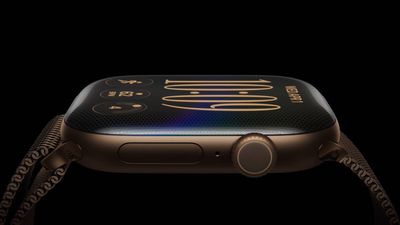
Series 12 comes in Space Gray, Black, Light Gold, and Dark Bronze aluminum finishes. The aluminum models gain Ceramic Shield, which Apple says makes their screens 60% tougher. Polished titanium models are also available in Radiant Gold and Natural, while ceramic models come in Pearl White and Night Blue.
Pricing starts at $399, with pre-orders available now ahead of a September 18 launch.
Apple Announces Apple Watch Ultra 4 With Two-Day Battery Life and Upgraded Health Tracking
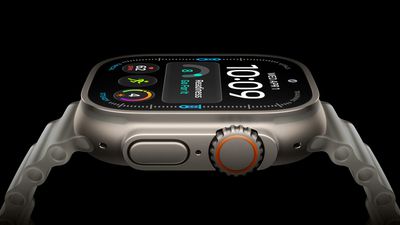
Apple this week announced the Apple Watch Ultra 4, which features a new S11 chip, a redesigned health sensing system, and a larger battery that Apple says delivers two days of battery life.
With improved power efficiency, Ultra 4 offers up to 18 hours of workout tracking with full GPS and heart rate monitoring, or 45 hours in its maximum extended workout mode, according to Apple.
Pre-orders are available now ahead of a September 18 launch, with prices starting at $799.
AirPods 5 Announced With Improved Noise Cancellation, Audio Quality, and More
Finally, Apple introduced AirPods 5, offering Active Noise Cancellation with its entry-level wireless earbuds at a starting price of $129. A $149 version with a Wireless Charging Case adds swipe-based volume controls on the stems and longer battery life.
Apple says AirPods 5 remove up to 50% more external noise than AirPods 4 with Active Noise Cancellation. They also boast a redesigned acoustic architecture and updated Adaptive EQ which promise richer, more detailed sound, and an improved Transparency mode that makes nearby voices and sounds more natural.
AirPods 5 are available to pre-order now, with availability beginning Friday, September 18.
MacRumors Newsletter
Each week, we publish an email newsletter like this highlighting the top Apple stories, making it a great way to get a bite-sized recap of the week hitting all of the major topics we've covered and tying together related stories for a big-picture view.
iPhone 18 Pro and iPhone 18 Pro Max pre-orders began today in the U.S. and many other countries. If you have yet to place a pre-order on Apple's online store, you might face a longer wait now, depending on your desired configuration.
The first customers who pre-ordered right when pre-orders began on September 12 at 5 a.m. Pacific Time will have their devices delivered on Friday, September 18. As of September 13 at 5:30 a.m. Pacific Time, though, select configurations on Apple's online store in the U.S. are now showing delivery estimates into October for new orders.
iPhone 18 Pro / Black / 256GB: September 18
iPhone 18 Pro / Black / 512GB: September 18
iPhone 18 Pro / Black / 1TB: September 18
iPhone 18 Pro / Black / 2TB: September 18
iPhone 18 Pro / Silver / 256GB: September 24-29
iPhone 18 Pro / Silver / 512GB: September 18
iPhone 18 Pro / Silver / 1TB: September 18
iPhone 18 Pro / Silver / 2TB: September 18
iPhone 18 Pro / Glacier / 256GB: September 18
iPhone 18 Pro / Glacier / 512GB: September 18
iPhone 18 Pro / Glacier / 1TB: September 18
iPhone 18 Pro / Glacier / 2TB: September 18
iPhone 18 Pro / Burgundy / 256GB: September 24-29
iPhone 18 Pro / Burgundy / 512GB: September 24-29
iPhone 18 Pro / Burgundy / 1TB: September 18
iPhone 18 Pro / Burgundy / 2TB: September 18
iPhone 18 Pro Max / Black / 256GB: October 6-13
iPhone 18 Pro Max / Black / 512GB: October 6-13
iPhone 18 Pro Max / Black / 1TB: September 24-29
iPhone 18 Pro Max / Black / 2TB: September 18
iPhone 18 Pro Max / Silver / 256GB: October 6-13
iPhone 18 Pro Max / Silver / 512GB: October 6-13
iPhone 18 Pro Max / Silver / 1TB: September 18
iPhone 18 Pro Max / Silver / 2TB: September 18
iPhone 18 Pro Max / Glacier / 256GB: October 6-13
iPhone 18 Pro Max / Glacier / 512GB: October 6-13
iPhone 18 Pro Max / Glacier / 1TB: September 24-29
iPhone 18 Pro Max / Glacier / 2TB: September 18
iPhone 18 Pro Max / Burgundy / 256GB: October 6-13
iPhone 18 Pro Max / Burgundy / 512GB: October 6-13
iPhone 18 Pro Max / Burgundy / 1TB: October 6-13
iPhone 18 Pro Max / Burgundy / 2TB: September 18
Apple Store pickup may still be an option for launch day depending on the model.
Inventory will likely continue to tighten for both delivery and Apple Store pickup as the day progresses, so order quickly if you are planning to.
Apple is now accepting pre-orders for the iPhone 18 Pro and iPhone 18 Pro Max through its online storefront and the Apple Store app. If you don't see the option to order, make sure to refresh until the store comes up. The app is often a quicker way to get a pre-order in.
Pre-orders for the iPhone 18 Pro models are available in more than 65 countries and regions around the world. If you used "Get Ready" ahead of time, you'll be able to place an order with just a couple of taps.
The iPhone 18 Pro and iPhone 18 Pro Max are Apple's latest flagship iPhones, featuring a new variable aperture Main camera, a faster A20 Pro chip, improved vapor chamber cooling, upgraded 5G modems, longer battery life, faster charging, and a smaller Dynamic Island. The new iPhones come in silver, black, glacier, and burgundy.
Pricing on the iPhone 18 Pro begins at $1,199 for the 256GB model, and the iPhone 18 Pro Max is priced starting at $1,299. Up to 2TB of storage is available at higher prices.
Apple is not offering the lower-cost iPhone 18 at this time, and the iPhone Duo won't launch until October 23, so there may be high demand for the iPhone 18 Pro models. It's always a good idea to pre-order early because popular colors and capacities often sell out.
In addition to Apple, carriers like Verizon, AT&T, and T-Mobile are accepting pre-orders, as are retailers like Best Buy and Walmart. Carriers are offering trade-in deals and discounts for customers, while Apple has the Apple Upgrade program available with monthly payment options.
Customers who pre-order an iPhone 18 Pro or an iPhone 18 Pro Max today will start receiving their iPhones on Friday, September 18.
Apple today launched pre-orders for the iPhone 18 Pro and iPhone 18 Pro Max. If you're looking to place a pre-order on one of these models at a cellular carrier, we've rounded up all of the best deals and offers you can find from the major carriers in the United States.
Note: MacRumors is an affiliate partner with some of these vendors. When you click a link and make a purchase, we may receive a small payment, which helps us keep the site running.
Starting with AT&T, you can get the iPhone 18 Pro and iPhone 18 Pro Max for up to $1,200 off with an iPhone trade-in in any condition. You'll need to upgrade with AT&T Next Up Anytime or switch to get this offer, and AT&T says it will be available for iPhone Duo orders in October as well.
If you switch to AT&T from a different carrier, AT&T will pay off your phone balance at up to $800 off per line. With the $1,200 offer, AT&T is offering the 256GB iPhone 18 Pro at no cost.
Apple Watch Series 12 and Ultra 4: Get $300 off second model when adding a new line
T-Mobile's offers are nearly identical to AT&T. You can get the iPhone 18 Pro and iPhone 18 Pro Max for up to $1,200 off you trade in an old device (in any condition) and purchase the new device on an eligible unlimited plan. You can also get this offer if you switch a line to Experience Beyond 2.0, Experience Beyond, or Go5G Next.
Additionally, you can get up to $930 off any iPhone 18 Pro model when trading in an eligible device, or switching a line to T-Mobile on Experience More 2.0, Experience More, or Go5G Plus.
For Apple Watches at T-Mobile, if you buy any new Apple Watch Series 12 or Ultra 4 device, you can get $300 off a second model when you add a watch line on the Watch Plan 2.0.
Apple Watch Series 12: No cost when bundled with a new iPhone
Similar to the other carriers, Verizon is offering up to $1,200 off the iPhone 18 Pro and iPhone 18 Pro Max with an eligible smartphone trade-in. You'll need to purchase the new iPhone on a 36-month payment plan and you'll receive the discount in the form of monthly promo credits over the course of your plan.
Verizon is also offering the Apple Watch Series 12 at no cost when you purchase it alongside a new iPhone. You just need to buy the iPhone on Simplicity, Simplicity Plus, Pro, or myPlan, and purchase the Apple Watch on a 36-month payment plan.
Visible
Visible is offering $480 off the iPhone 18 Pro when you purchase it on the Visible+ Pro plan. To get this deal, you'll need to join or switch to the Visible+ Pro monthly plan and purchase the iPhone 18 Pro at full retail price, and then you'll see the $480 off in terms of monthly service credits.
Visible's offer differs from other carriers due to requiring the full retail purchase of the new iPhone, compared to AT&T and others, which are offering discounts on monthly financing options. If you're interested, new members can get 50% off one year of the Visible+ Pro annual plan with SAVEHALF at checkout.
Visible offers unlimited talk, text, and data for $19/month on the Visible plan, $29/month on the Visible+ plan, or $39/month on the Visible+ Pro plan (prices include $6 discount with current promo code SAVE6).
If you're on the hunt for more discounts, be sure to visit our Apple Deals roundup where we recap the best Apple-related bargains of the past week.
Deals Newsletter
Interested in hearing more about the best deals you can find in 2026? Sign up for our Deals Newsletter and we'll keep you updated so you don't miss the biggest deals of the season!
Apple's online store is down ahead of iPhone 18 Pro and iPhone 18 Pro Max pre-orders, which begin at 5:00 a.m. Pacific Time on Saturday, September 12.
"We love that early energy," reads the Apple Store's message when visiting the U.S. website. "Almost ready for you. Pre-order begins at 5:00 a.m. PT. See you soon." Apple has been opening pre-orders at 5:00 a.m. Pacific Time for several years, rather than the 12:01 a.m. start time it previously used. Today the store went down especially early.
Customers in more than 65 countries and regions, including Australia, Canada, China, France, Germany, India, Japan, Mexico, the UAE, the U.K., and the U.S., will be able to pre-order both models when the store comes back online.
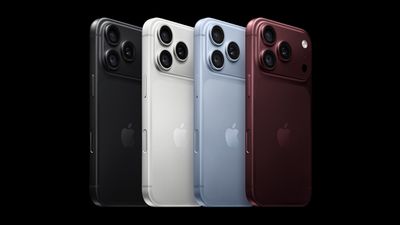
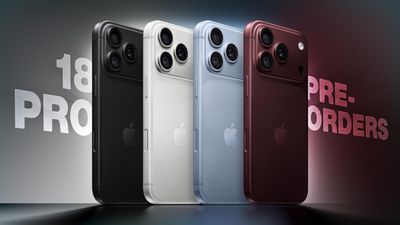
The iPhone 18 Pro and iPhone 18 Pro Max come in Burgundy, Glacier, Silver, and Black. Both models are available in 256GB, 512GB, 1TB, and 2TB storage capacities, bringing the 2TB option to the smaller Pro model for the first time.
In the United States, the iPhone 18 Pro starts at $1,199, while the iPhone 18 Pro Max starts at $1,299. Both models launch on Friday, September 18, when deliveries to customers and in-store availability begin.
Pre-orders for the iPhone 18 Pro and iPhone 18 Pro Max are set to begin on Saturday, September 12, at 5:00 a.m. Pacific Time, with the new devices set to become available for pre-order in numerous countries around the world simultaneously.
We've compiled pre-order times for various countries to help MacRumors readers be among the first to order. This list isn't exhaustive, so please verify the exact time for your specific location.
Australia West - 8:00 p.m. AWST
Australia East - 10:00 p.m. AEST
Austria - 2:00 p.m. CEST
Belgium - 2:00 p.m. CEST
Canada West - 5:00 a.m. PDT
Canada East - 8:00 a.m. EDT
China - 8:00 p.m. CST
Denmark - 2:00 p.m. CEST
Finland - 3:00 p.m. EEST
France - 2:00 p.m. CEST
Germany - 2:00 p.m. CEST
Guernsey - 1:00 p.m. BST
Hong Kong - 8:00 p.m. HKT
Ireland - 1:00 p.m. IST
Isle of Man - 1:00 p.m. BST
Italy - 2:00 p.m. CEST
Japan - 9:00 p.m. JST
Jersey - 1:00 p.m. BST
Luxembourg - 2:00 p.m. CEST
Netherlands - 2:00 p.m. CEST
New Zealand - midnight NZST next day
Norway - 2:00 p.m. CEST
Portugal - 1:00 p.m. WEST
Puerto Rico - 8:00 a.m. AST
Saudi Arabia - 3:00 p.m. AST
Singapore - 8:00 p.m. SGT
South Korea – 9:00 p.m. KST
Spain - 2:00 p.m. CEST
Sweden - 2:00 p.m. CEST
Switzerland - 2:00 p.m. CEST
Taiwan - 8:00 p.m. CST
UAE - 4:00 p.m GST
United Kingdom - 1:00 p.m. BST
United States West - 5:00 a.m. PDT
United States Mountain - 6:00 a.m. MDT
United States Central - 7:00 a.m. CDT
United States East - 8:00 a.m. EDT
US Virgin Islands - 8:00 a.m. AST
Customers can prepare for the iPhone 18 Pro launch using the "Get Ready" pre-order setup until 9:00 p.m. Pacific Time on Friday night. This process allows you to select your iPhone model, confirm your carrier, and enter payment and shipping details in advance.
For those wanting a device on launch day, immediate pre-ordering is recommended. Supply availability is uncertain, and popular models or colors may sell out within minutes or hours.
The iPhone 18 Pro starts at $1,199, while the iPhone 18 Pro Max begins at $1,299. U.S. carriers are offering various discounts, while Apple offers the new Apple Upgrade program and trade-in options to reduce costs.
Pre-orders open on September 12. The first iPhone 18 Pro and iPhone 18 Pro Max orders will be delivered to customers on Friday, September 18.
Two iOS 27 features need a little more time in testing and won't be shipping until a future update, even though they were present during the beta period.
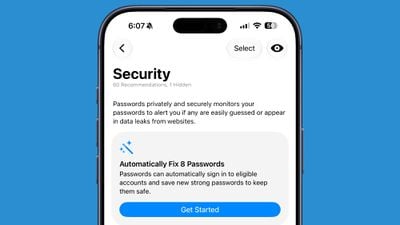
Suggestions in Messages conversations and the option to automatically fix compromised passwords with a tap will not be in the initial version of iOS 27, and will instead launch in a later version of iOS 27.
For the password update feature, the Passwords app uses Apple Intelligence and Safari to fix compromised passwords in the background without the user needing to do so manually
In the Messages app, Apple Intelligence surfaces one-tap suggestions based on what's being discussed in a conversation. If someone you're talking to asks you to send a photo or complete a task, Messages recognizes the request and suggests action on the information with the relevant apps.
We already know that an iOS 27.1 update will be coming before October 23 because the iPhone Duo comes out on that date and ships with it pre-installed. We could potentially get the new features as soon as iOS 27.1.
iOS 27 and iPadOS 27 will launch to the public on Monday, September 14.
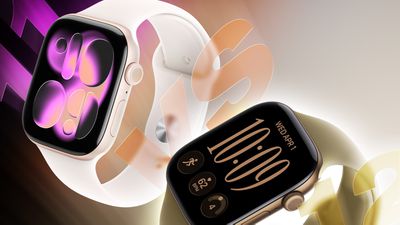
The Apple Watch Series 12 is now available for pre-order, and unlike last year's model, it brings a substantial list of changes over its predecessor. Here's everything that's new.
Last year, the Series 11 introduced just four changes over the Series 10, making it perhaps the smallest generational upgrade in the device's history. The Series 12 is a far more meaningful refresh, even though it essentially retains the same design for a third consecutive year.
It launches on Friday, September 18, at the same $399 starting price as the Series 11, which Apple has now discontinued. This guide lists all of the differences between the Series 11 and Series 12 models to help you understand the changes:
Apple Watch Series 11
Apple Watch Series 12
S10 chip (2024)
S11 chip (2026)
2GB RAM
4GB RAM
Electrical heart sensor
"Health Sensing System" with second-generation electrical heart sensor
Third-generation optical heart sensor
Fourth-generation, always-on optical heart sensor
Heart rate tracking
High-frequency background heart rate tracking (every five seconds)
HRV
Recovery HRV and overall HRV (measured up to 24x more often)
Vitals app with heart rate, respiratory rate, wrist temperature, and sleep duration
Vitals app with heart rate, respiratory rate, wrist temperature, sleep duration, and HRV, plus daytime vitals view
Readiness app
More accurate step tracking
Steps complication
Audio Intelligence (Live Rewind, Siri Recap, Sound Recognition, and Shazam)
Ion-X glass with 2x scratch resistance (aluminum models)
Ceramic Shield 2, 60% tougher than Ion-X (aluminum models)
Metal and sapphire crystal back
Aluminum or titanium and zirconia back
Aluminum or titanium case
Aluminum, titanium, or ceramic case
Aluminum: Jet Black, Rose Gold, Silver, and Space Gray
Aluminum: Dark Bronze, Light Gold, Black, and Space Gray
Titanium: Slate, Gold, and Natural
Titanium: Radiant Gold and Natural
Ceramic: Pearl White and Night Blue
Hermès: Silver titanium
Hermès: Silver and Radiant Gold titanium
15 minutes of charging for up to 8 hours of normal use
15 minutes of charging for up to 12 hours of normal use
5 minutes of charging for up to 8 hours of sleep tracking
5 minutes of charging for up to 10 hours of sleep tracking
Now discontinued
From $399
The new ceramic case marks the first ceramic Apple Watch since the Series 5 Edition in 2019, but it is slightly larger than the other models and weighs up to 52.9 grams in its 46mm Night Blue configuration. Even the aluminum and titanium models are now 1mm wider and around 2 grams heavier than their predecessors.
At the same time, the display appears to have shrunk slightly, even though its resolution is unchanged. Apple lists the 46mm Series 12 with 1,196 sq mm of display area, 2% less than the 1,220 sq mm of the Series 11, while the 42mm model drops 1.9% from 989 sq mm to 970 sq mm.
A marginally smaller screen in a wider case means thicker borders, and Apple also appears to have pulled the case back slightly around a larger front glass, which could make them look even more prominent. The Series 10 went through a similar change in 2024, when its visible aluminum edge shrank compared to the Series 9 but its overall bezel, including the black border under the glass, actually grew. The shift is less dramatic this time around, since the Series 12 keeps the same basic case design. Here's how the two generations compare in size, weight, and display area:
46mm
Apple Watch Series 11
Apple Watch Series 12
Dimensions
46mm x 39mm x 9.7mm
46mm x 40mm x 9.7mm
Display area
1,220 sq mm
1,196 sq mm
Aluminum (GPS)
37.8 grams
39.5 grams
Aluminum (Cellular)
36.9 grams
38.6 grams
Titanium
43.1 grams
44.9 grams
42mm
Apple Watch Series 11
Apple Watch Series 12
Dimensions
42mm x 36mm x 9.7mm
42mm x 37mm x 9.7mm
Display area
989 sq mm
970 sq mm
Aluminum (GPS)
30.3 grams
32.2 grams
Aluminum (Cellular)
29.7 grams
31.5 grams
Titanium
34.6 grams
36.5 grams
The new ceramic models, which have no Series 11 equivalent, are larger and considerably heavier still:
Ceramic
46mm
42mm
Dimensions
47mm x 41mm x 9.85mm
43mm x 37mm x 9.85mm
Pearl White
51.3 grams
41.7 grams
Night Blue
52.9 grams
42.8 grams
The most significant upgrade between the two devices is the new Health Sensing System. It uses a larger electrode surface for better skin contact during ECG readings, redesigned photodiodes laid out in a ring for more efficient light capture, and bigger, more power-efficient green LEDs. The result is that the Series 12 measures heart rate every five seconds throughout the day, 60 times more frequently than before, and samples HRV up to 24 times more often. Apple claims this gives the Series 12 the most accurate heart rate sensing of any wearable.
That higher-frequency data powers several new health features that are exclusive to the Series 12. The Readiness app weighs up your recent activity, training load, vitals, and sleep score to produce a single daily score out of 10, alongside a recommendation ranging from "Recover" to "Go For It." There is also a separate Recovery HRV metric, a daytime view in the Vitals app, and new watch face complications for real-time heart rate and step count. Apple has also rebuilt its pedometer model and says the Series 12 now offers the most accurate step tracking of any smartwatch.
The Series 12 is the first model in two years to get a new chip, with the S11 replacing the S10 that powered both the Series 10 and Series 11, which itself was almost identical to the S9 chip from 2023. The new model also has twice as much RAM, with 4GB compared to 2GB in the Series 11.
The S11 chip enables Audio Intelligence, a new set of features exclusive to the Series 12 and Ultra 4. Live Rewind displays a transcript of the last 15 seconds of conversation with a double press of the Digital Crown, Siri Recap generates summaries of conversations, Sound Recognition alerts deaf or hard of hearing users to sounds like sirens and doorbells, and Shazam can automatically identify music playing nearby. According to Apple, audio is processed in a hardware-isolated Secure Exclave on the S11 chip and is never recorded.
Everyday battery life is unchanged at up to 24 hours, or up to 38 hours in Low Power Mode. The improvements instead focus on workouts and charging. The Series 12 offers up to 10 hours of battery life during an outdoor workout, which Apple says is 25% more than the Series 11, and 15 minutes of charging now delivers up to 12 hours of use rather than eight.
All other aspects, such as display resolution and brightness, 64GB of storage, 5G connectivity, and water and dust resistance all carry over from the Series 11 unchanged.
Is It Worth Upgrading?
For new buyers, the Series 12 is the obvious choice. It costs the same $399 that the Series 11 did at launch, while adding a more capable health sensing system, double the RAM, and a considerable list of exclusive features. With a new chip and more memory, it is also likely to be better placed for future Apple Intelligence features. The Series 11 is the better value option only when it can be found heavily discounted, which is likely as third-party retailers clear their remaining stock.
Last year, we concluded that virtually no users should upgrade from a Series 10 to a Series 11. This year, the picture is more nuanced. For most Series 11 owners, there is still no general-purpose reason to upgrade, since many key features are unchanged and Siri AI is coming to the Series 11 anyway. However, the Series 12 is worth considering if you rely on your Apple Watch for training and recovery insights, since continuous heart rate tracking, Recovery HRV, and Readiness are all exclusive to the new model. Deaf and hard of hearing users may find Sound Recognition a compelling reason to upgrade on its own, and some users will simply want the new ceramic finish.
Series 11 owners who are happy to wait may prefer to hold out for next year's "Series 13," which is rumored to bring the first major redesign since the Series 10, including a new band attachment system.
By contrast, upgrading is much easier to justify if you have a Series 9 or older. Series 10 owners would gain a new, thinner design with a wider screen, a tougher display on aluminum models, and a longer battery life in addition to all of this year's changes.
iPhone 18 Pro and iPhone 18 Pro Max pre-orders begin this Saturday, September 12 at 5 a.m. Pacific Time.
Apple allows you to prepare for your pre-order early. Simply look for the "Get Ready" button on the Shop iPhone page or in the Apple Store app and proceed to select your iPhone 18 Pro model and any accessories, get pre-approved for financing or leasing if necessary, and so forth.
Apple is giving customers until 9 p.m. Pacific Time today to get their pre-order ready ahead of the morning rush, so act fast if you want a quicker checkout tomorrow.
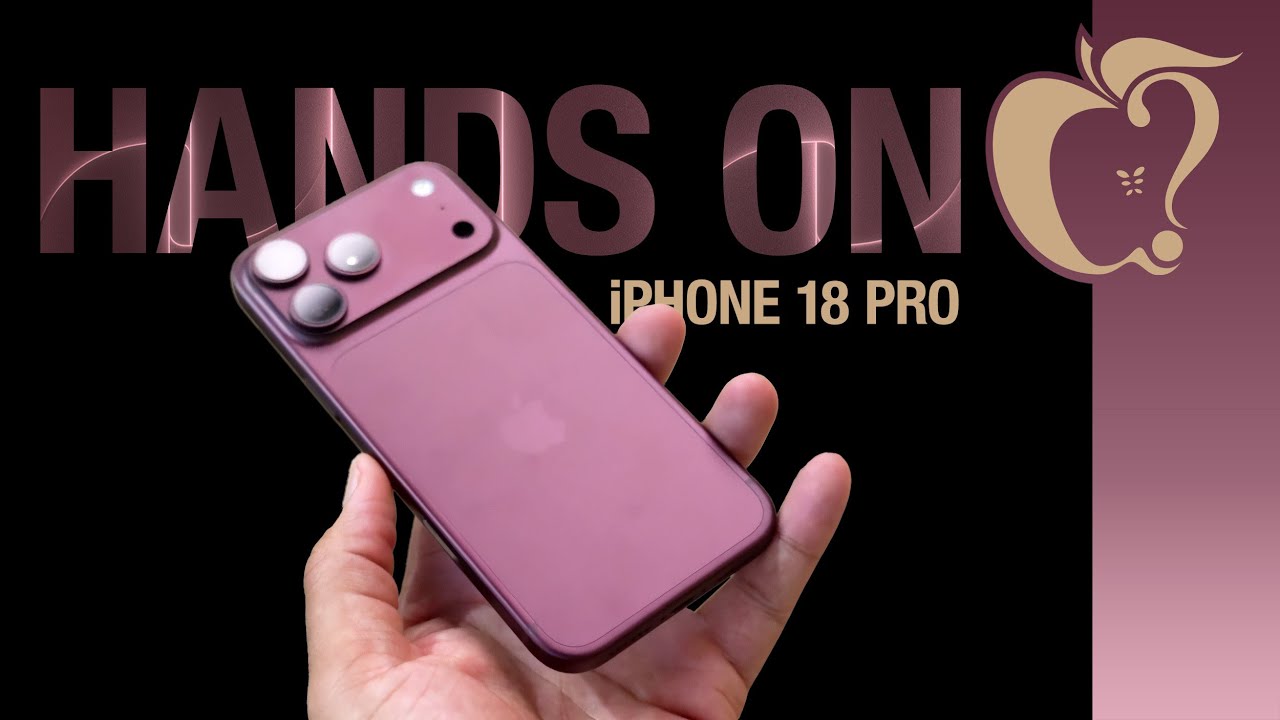
After Wednesday's event, Apple let members of the media take a look at the new iPhone 18 Pro models, so we're able to share some early first impressions with you before pre-orders start tomorrow.
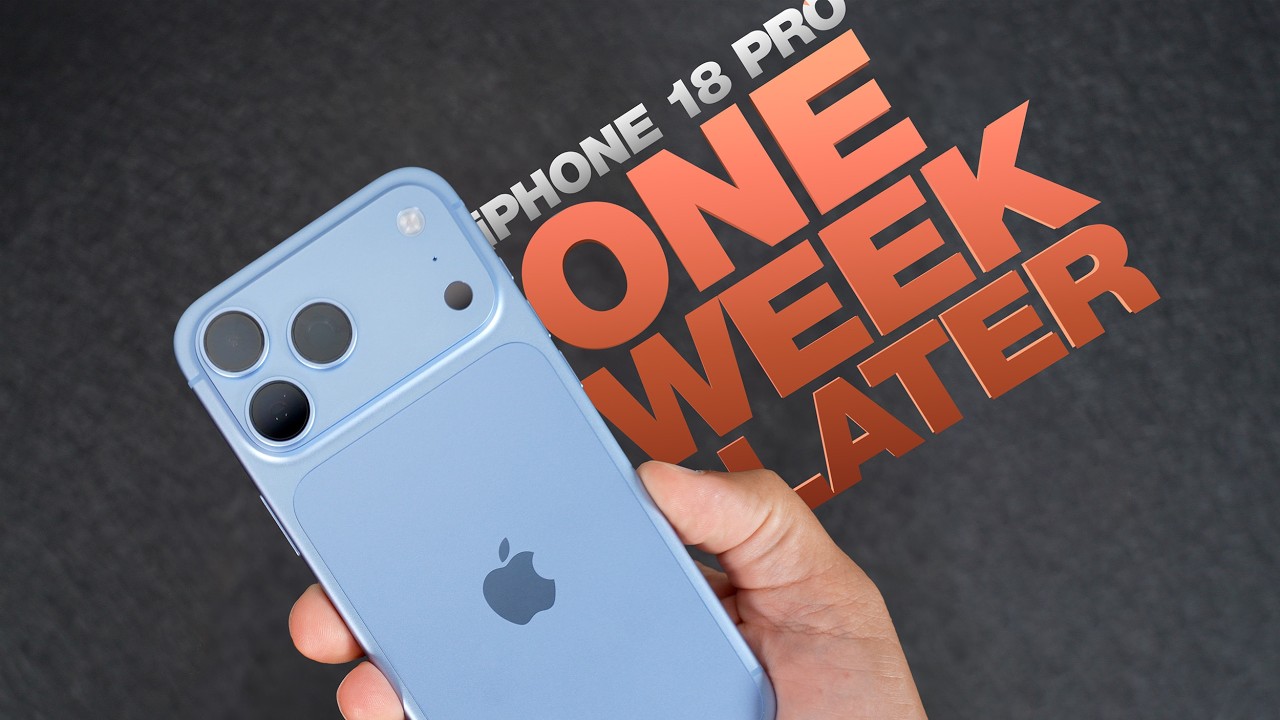
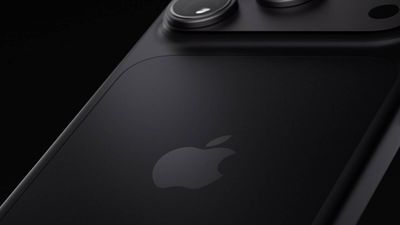
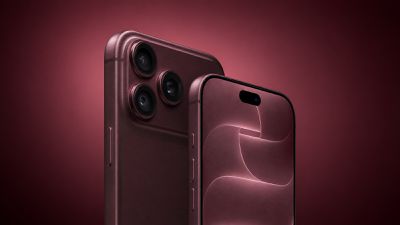
The iPhone 18 Pro and Pro Max look almost identical to the iPhone 17 Pro models, but there are some subtle changes that make the new devices stand out. There's less of a color difference between the aluminum frame and the glass back, so while the 17 Pro models had a two-tone look, the iPhone 18 Pro models are more uniform.
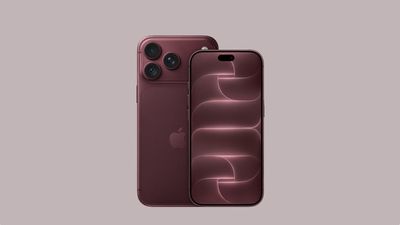
Apple is selling the iPhone 18 Pro and Pro Max in four colors, including silver, black, burgundy, and glacier, which is a light blue. Burgundy especially looks good in person, and people who missed black last year will be glad to see it back. There's no change to size or shape, so they're still available with 6.3-inch and 6.9-inch displays. Both are a little heavier, and the iPhone 18 Pro Max weighs 16 grams more than the 17 Pro Max.
Display quality is the same, but Apple slimmed down the Dynamic Island, so it takes up less space, plus it can show up to three Live Activities at once.
Inside, there's a new 2nm A20 Pro chip. If you're upgrading to the iPhone 18 Pro from an iPhone 17 Pro, you're probably not going to notice a day-to-day difference between the A19 Pro and the A20 Pro, but the iPhone 18 Pro models might run cooler. There's a new vapor chamber cooling system that takes up three times more area, and Apple says it supports up to 40 percent faster sustained performance. There's a new dual Neural Engine, but RAM hasn't increased and it's still at 12GB.
Battery life is better in both Pro models. The iPhone 18 Pro lasts for up to 36 hours when watching video, and the iPhone 18 Pro Max lasts for up to 45 hours. Charging over USB-C is faster, and you can get a 50 percent charge in 15 minutes with a 60W power adapter. MagSafe and Qi2 wireless charging are still supported but max out at 25W.
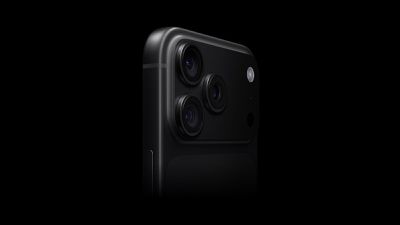
There's a three-lens camera system with an upgraded Main camera. The 48MP Main camera has a variable aperture that has four stops: ƒ/1.48, ƒ/1.8, ƒ/2.8, ƒ/4.0. Aperture will adjust automatically when you're taking photos, but there's a new Pro Controls option if you want to make manual changes. You can adjust aperture, shutter speed, and white balance, plus there's a histogram for making tweaks. With the variable aperture and the Pro Controls, you can adjust the amount of light and the background blur of images.
Photographic Styles now have texture and grain controls, and when you're filming, smart focus tracking can lock on to a subject even if it leaves the frame so you never lose focus. Cinematic effects can be added to video after capture for the first time, and Audio Mix works with music. There's also support for 4K Dolby Vision time-lapse videos.
All 6.3-inch iPhone 18 Pro models have the C2 modem, while iPhone 18 Pro Max models in the U.S. have a Qualcomm modem. iPhone 18 Pro Max models outside the U.S. also have the C2, and it's not clear why Apple opted for that modem split. The C2 is faster and more energy-efficient than the prior C1X, and it now supports mmWave 5G speeds in addition to sub–6GHz.
As expected, Apple raised its iPhone prices. The iPhone 18 Pro starts at $1,199 in the U.S., and the iPhone 18 Pro Max starts at $1,299, so there's a $100 increase for both base models. Starting storage remains at 256GB, but you can upgrade up to 2TB.
Pre-orders for the iPhone 18 Pro and iPhone 18 Pro Max start at 5:00 a.m. Pacific Time on Saturday, September 12. The new iPhones will launch on September 18.
Apple TV: At least five new features, including an A17 Pro chip or newer, an increased 8GB of RAM for Apple Intelligence, Siri AI support, an Apple-designed N1 chip with Wi-Fi 7 support, and an updated Siri Remote. The new Apple TV will apparently look similar to the existing model, so do not expect any major design changes.
HomePod mini: Newer chip with Siri AI support, improved sound quality, Apple's N1 chip with Wi-Fi 7 support, a second-generation Ultra Wideband chip, and potentially new color options like red. The new HomePod mini will apparently look similar to the existing model, so do not expect any major design changes.
Home Hub: An all-new smart home hub featuring Siri AI, a 6-inch to 7-inch square display, an A18 chip or newer for Apple Intelligence, FaceTime, and more. A new operating system will feature clock faces, widgets, and more. There will a tabletop version with a speaker base and a wall-mounted version.
Headphones
Beats 360:New over-ear Beats 360 headphones with an AirPods Max-like design, interchangeable ear cushions and headbands, up to 1.75× more noise cancellation than the Beats Studio Pro, IPX4-rated water resistance, and more. It is likely that Apple will announce the Beats 360 before the end of September.
The wait is over; Apple has now announced the iPhone 18 Pro and its first foldable, the iPhone Duo. We talk through our reactions to the range of new products on this week's episode of The MacRumors Show.
Both models have a 48-megapixel main camera with variable aperture from ƒ/1.48 to ƒ/4.0, new Pro Controls for manual aperture, shutter speed, and white balance, texture and grain controls in Photographic Styles, and Apple Reference Image, which signs photo data at capture to verify authenticity. Pricing starts at $1,199 and $1,299, $100 more than last year, while higher storage tiers rose by as much as $500, and pre-orders begin Saturday, September 12 ahead of a September 18 launch.
The Apple Watch Series 12 and Ultra 4 introduce a new "Health Sensing System" that measures heart rate every five seconds and HRV as often as every five minutes, feeding a new daily Readiness score, and Apple claims it offers the most accurate heart rate sensing of any wearable. A new S11 chip with twice the RAM powers Audio Intelligence features including Sound Recognition, Live Rewind, which transcribes the last 15 seconds of speech, and Siri Recap, which summarizes conversation.
Aluminum models now have Ceramic Shield for 60% tougher displays, titanium models come in polished Radiant Gold and Natural, and ceramic returns for the first time since the Series 5 in Pearl White and Night Blue, with cases that are slightly larger and heavier. The Apple Watch Series 12 starts at $399 for 42mm, while the 46mm model rose $20 to $449, titanium starts at $699, and ceramic starts at $899, with orders open now ahead of launch on September 18.
The AirPods 5 retain their open-ear design but gain Active Noise Cancellation as standard, with Apple claiming up to 50% more noise reduction than AirPods 4 with ANC, plus a new multiport acoustic architecture and next-generation Adaptive EQ. The $129 model offers over four hours of listening with ANC and 20 hours total with the case, while a $149 model adds stem volume control, up to five hours with ANC, and a wireless charging case. Both models are available to order now.
The iPhone Duo is a book-style foldable with a 7.6-inch inner display and a 5.4-inch outer display that share the same aspect ratio, and Apple says it is the thinnest iPhone ever when unfolded. The inner screen has a nano-texture finish to reduce glare and crease visibility, while the device features a titanium frame, an IP68 rating, Touch ID in the side button, the A20 Pro chip, Apple's new C2 modem, MagSafe, and a dual-battery design rated for up to 44 hours of video playback on the outer display.
There is no Face ID, Action button or Telephoto camera. Apple Pencil support arrives later this year, limited to the USB-C Apple Pencil. The iPhone Duo comes in Star White and Night Sky and starts at $1,999 with 256GB of storage, reaching $3,199 for 2TB, with pre-orders beginning October 16 ahead of an October 23 launch, shipping with iOS 27.1.
Apple also introduced AppleCare One Family, which covers every eligible device across up to six Family Sharing members in the U.S. for $49.99 per month. Alongside the new models, Apple raised prices on the iPhone 16, iPhone 17e, iPhone 17, and iPhone Air by $100 each to $799, $699, $899, and $1,099, respectively, and discontinued the iPhone 17 Pro and iPhone 17 Pro Max. Apple also revealed that it is extending free satellite access by another year for iPhone 14, iPhone 15, and iPhone 16 users.
If you haven't already listened to the previous episode of The MacRumors Show, catch up to hear our discussion about what we expected from the event to see what we got right and wrong.
The MacRumors Show is on X @MacRumorsShow, so be sure to give us a follow to keep up with the podcast. You can also email us at podcast@macrumors.com or head over to The MacRumors Show forum thread. Remember to rate and review the podcast, and let us know what subjects and guests you would like to see in the future.
Apple's first foldable iPhone, with a book-style design featuring a 5.4-inch outer display and a 7.6-inch inner display with a minimal crease down the middle.


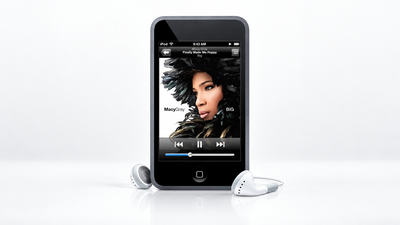 The first iPod touch went on general sale on September 14, 2007, nine days after Steve Jobs unveiled it at Apple's "The Beat Goes On" media event. The device brought the iPhone's multi-touch interface, Wi-Fi, and Safari browser to the iPod lineup for the first time, but it lacked cellular phone functionality and a camera.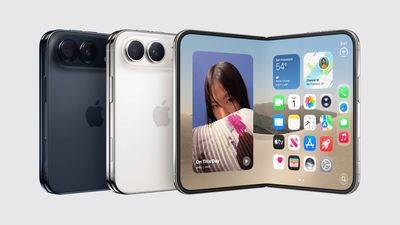
 Earlier this month, references to two unreleased Apple game controllers were allegedly
  Note: MacRumors is an affiliate partner with some of these vendors. When you click a link and make a purchase, we may receive a small payment, which helps us keep the site running.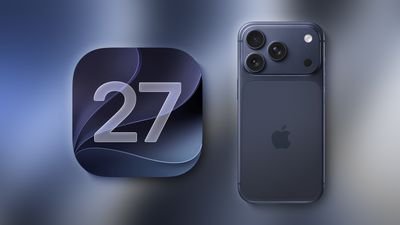


 Note: MacRumors is an affiliate partner with some of these vendors. When you click a link and make a purchase, we may receive a small payment, which helps us keep the site running.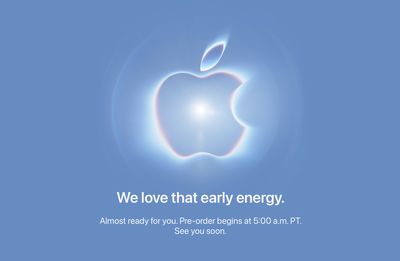
 iPhone 18 Pro and iPhone 18 Pro Max pre-orders begin this Saturday, September 12 at 5 a.m. Pacific Time.